

Discover 12 new electronic gadgets in 2026, from AI smartphones and laptops to smart home devices. Compare features, benefits and expert buying tips.

Technology in 2026 is no longer just about faster processors, sharper cameras, or thinner screens. Some of the most interesting new electronic gadgets are designed to solve everyday problems: finding misplaced belongings, reducing repetitive household chores, improving mobile productivity, and helping people understand their activity and sleep patterns.
Artificial intelligence is also becoming part of more devices. Smartphones can offer context-aware assistance, laptops can accelerate compatible AI tasks, and robotic vacuum cleaners are becoming more capable of navigating complicated homes.
However, a new gadget is not automatically a worthwhile purchase.
A foldable phone might be impressive, but its larger screen will only justify the expense if you use it regularly. A smart ring can make overnight activity tracking convenient, but it cannot replace medical testing. An AI vacuum cleaner may save time, but it will still require maintenance.
In this guide, we explore 12 notable electronic gadgets introduced or updated in 2026, along with one established smart-ring option that helps explain where wearable technology is heading.
You will learn what each device does, who it suits, its advantages and limitations, and what to check before spending money.
The goal is simple: to help you understand the technology before deciding whether to buy it.
Affiliate Disclosure: As an Amazon Associate I earn from qualifying purchases. This article may contain affiliate links. If you purchase through these links, TrendzKart may earn a commission at no additional cost to you.
Editorial disclosure: This article is based on publicly available manufacturer information, not hands-on testing by TrendzKart. Availability, software features, pricing and specifications may differ by region or configuration. We distinguish newly introduced devices from established products and announced concepts.
1. Samsung Galaxy Z Fold8 Ultra: A Foldable Phone Built for Serious Multitasking
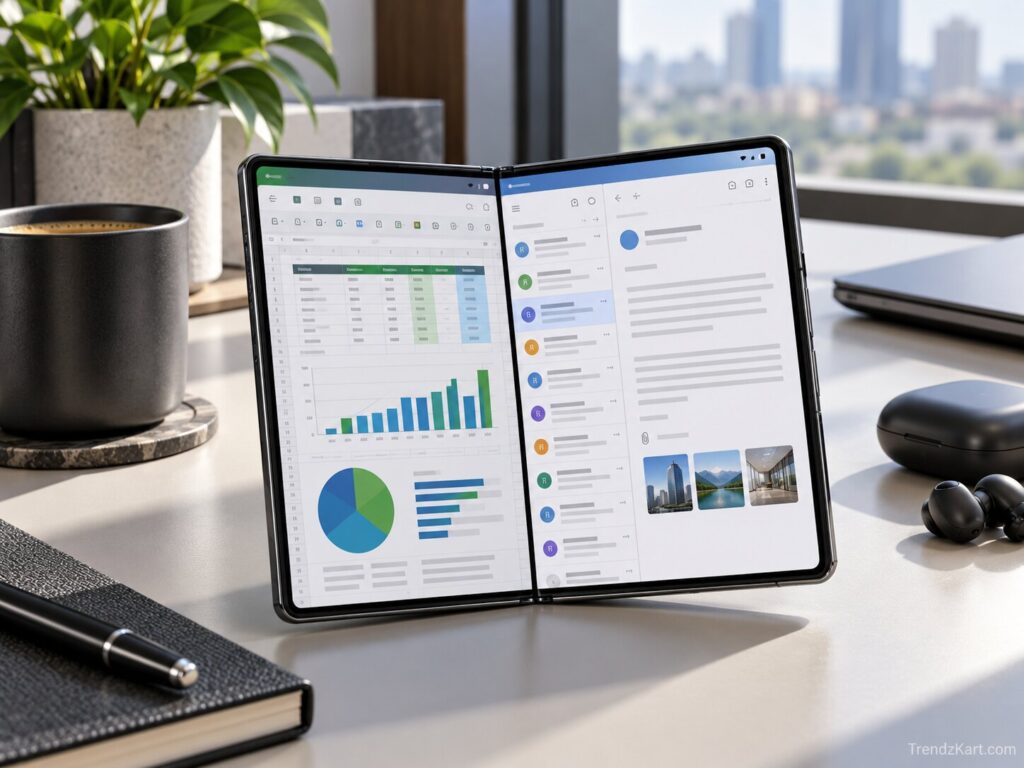
The Samsung Galaxy Z Fold8 Ultra is one of the most interesting foldable smartphones of 2026.
Announced as part of Samsung’s August 2026 Galaxy Z lineup, it combines a conventional smartphone form with an expansive folding screen.
The appeal is not simply that the display becomes larger. It is that the device can support workflows that are less comfortable on a typical smartphone.
Key Specifications
Samsung’s published information highlights:
- An 8-inch main foldable display.
- A 200MP main camera.
- A 50MP ultra-wide camera.
- A 5,000mAh battery.
- Support for 45W wired charging.
- AI-assisted productivity features.
What Makes It Useful?
Imagine reviewing a spreadsheet while referring to an email, or comparing travel details without constantly switching between applications.
The larger display can make compatible multitasking experiences easier.
It may also be useful for reading long documents, reviewing photographs, and editing content while away from a laptop.
Advantages
The larger screen offers more working space. Samsung’s software ecosystem provides productivity tools, and the camera system supports advanced photography.
Limitations
Foldable displays require careful handling. Repair costs, device thickness, weight, and premium pricing may make a conventional smartphone more practical for some buyers.
Who Should Buy It?
Professionals, mobile creators, and users who frequently work with multiple applications.
Buying tip: Test the multitasking interface before purchasing. If you rarely use split-screen apps, the extra cost may not deliver much value.
Official source: Samsung Galaxy Z series announcement
2. Samsung Galaxy Z Flip8: A Compact Phone With Flexible Photography
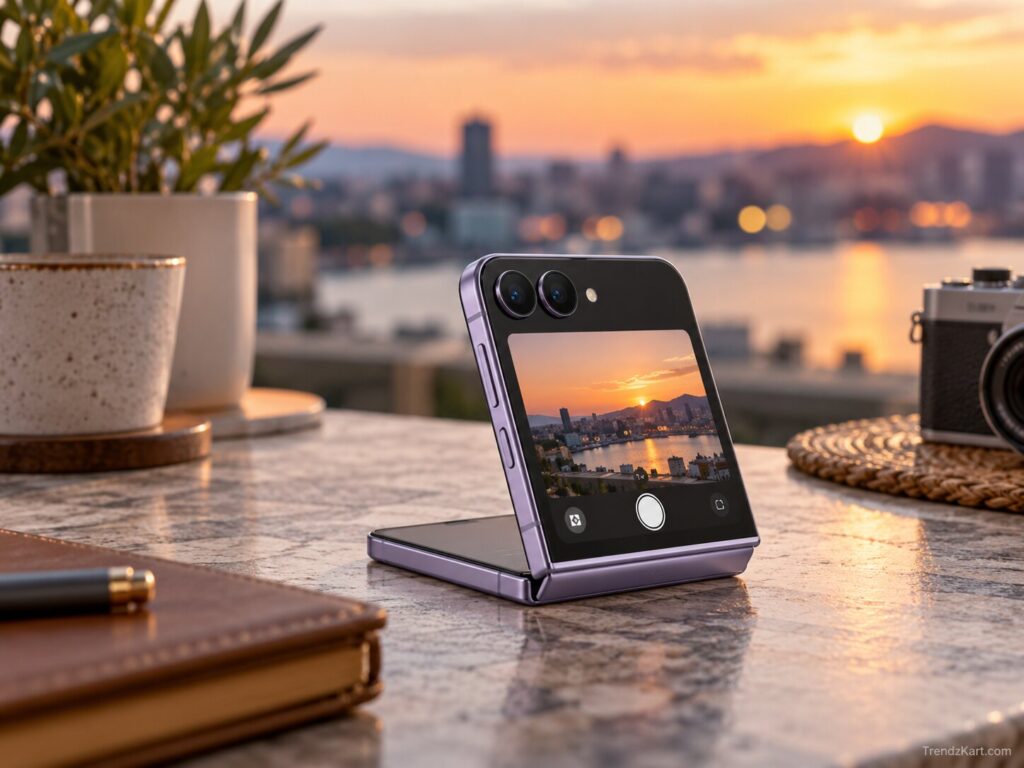
Not every foldable smartphone is designed around productivity.
The Samsung Galaxy Z Flip8 focuses on portability, cover-screen interaction, and flexible camera positioning.
Its clamshell design allows the phone to fold into a smaller shape when not in use.
Key Features
Samsung highlights a redesigned FlexWindow cover display, a 50MP camera, Gemini integration, and FlexCam photography features.
Real-Life Uses
You can position a compatible flip phone at different angles for certain photographs or videos without always needing a conventional phone stand.
The cover display can also make selected information and supported apps accessible without fully opening the phone.
Advantages
Compact folding design, creative camera positioning, and convenient cover-screen functions.
Limitations
Not all applications work identically on the outer display. Battery performance, hinge durability, and screen protection deserve attention.
Who Should Buy It?
People who prefer a compact phone and enjoy casual photography or video creation.
Buying tip: Check which applications work on the cover screen and whether the folded dimensions actually suit your pockets or bags.
Official source: Samsung Galaxy Z Flip8 launch information
3. Google Pixel 11 Pro: AI Features With a Focus on Everyday Photography
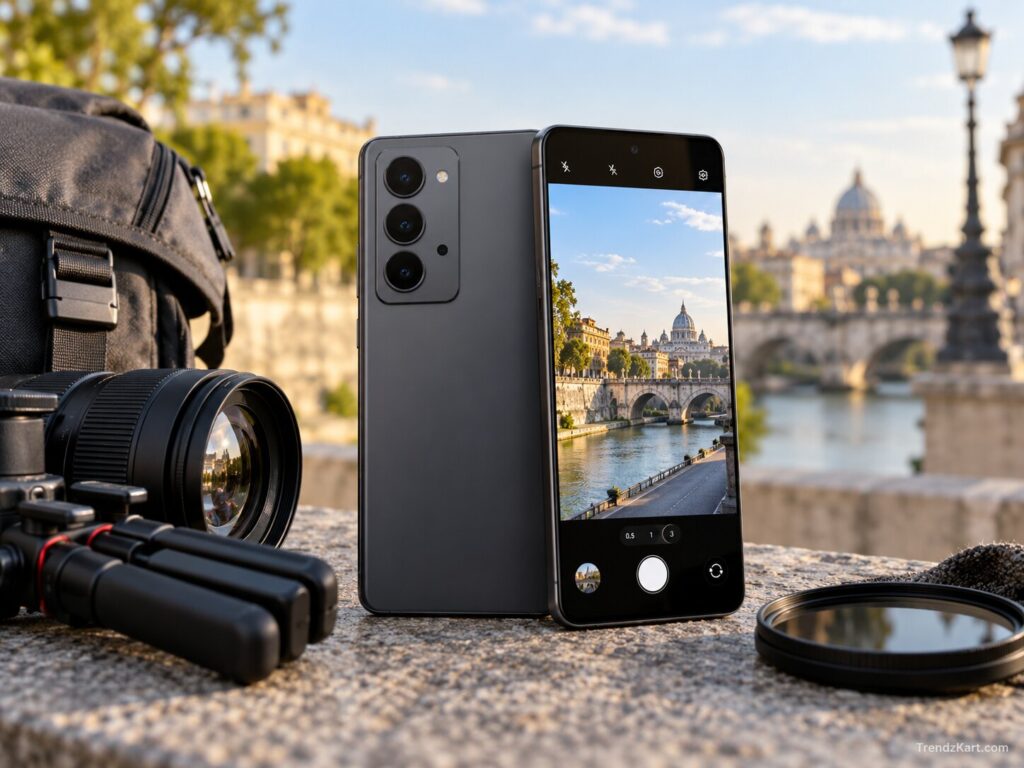
Google’s Pixel 11 family arrived in August 2026 with updated cameras, the Tensor G6 processor, and deeper Gemini integration.
The Pixel 11 Pro is especially interesting for people who value photography and Google’s software experience.
Key Features
Google highlights the Tensor G6 chip, updated camera capabilities, security improvements, and seven years of operating-system and security updates for the Pixel 11 lineup.
Real-Life Uses
The phone can suit travel photography, everyday communication, document capture, and supported AI-assisted tasks.
Some users may find Google’s software integration more useful than purchasing a phone with the highest possible specification numbers.
Advantages
Camera-focused design, long software-support commitment, and integrated Google services.
Limitations
AI features may vary by country, language, subscription, and device configuration. Camera performance should also be evaluated through independent testing.
Who Should Buy It?
Android users who value photography, software updates, and Google’s AI ecosystem.
Buying tip: Compare the standard Pixel 11 and Pro versions before paying extra. Choose based on the camera and display features you will actually use.
Official source: Google Pixel 11 series
4. Google Pixel Tag: A Small Tracker That Solves a Familiar Problem

Some of the most practical gadgets do not need a large screen or complicated AI interface.
Google Pixel Tag is a compact item tracker introduced in August 2026.
It uses Google’s Find Hub network to help users locate compatible tagged belongings.
Key Features
Google describes a stainless-steel construction, IP67 water- and dust-resistance rating, a built-in speaker, and battery life of up to one year under its stated conditions.
Real-Life Uses
Attach a compatible tracker to a keyring, bag, or another suitable personal item.
If the item is misplaced, supported finding features can help locate it.
The tag can also trigger a sound to make nearby searching easier.
Advantages
Small form factor, simple everyday purpose, and integration with Google’s device-finding ecosystem.
Limitations
Performance depends on compatible devices, finding-network coverage, and battery condition. It is not a guaranteed theft-recovery solution.
Who Should Buy It?
Travelers, commuters, and anyone who frequently misplaces keys or bags.
Buying tip: Check phone compatibility and privacy controls before purchasing.
Official source: Google Pixel Tag
5. Google Pixel Watch 5: A Smartwatch With More Personalized Assistance
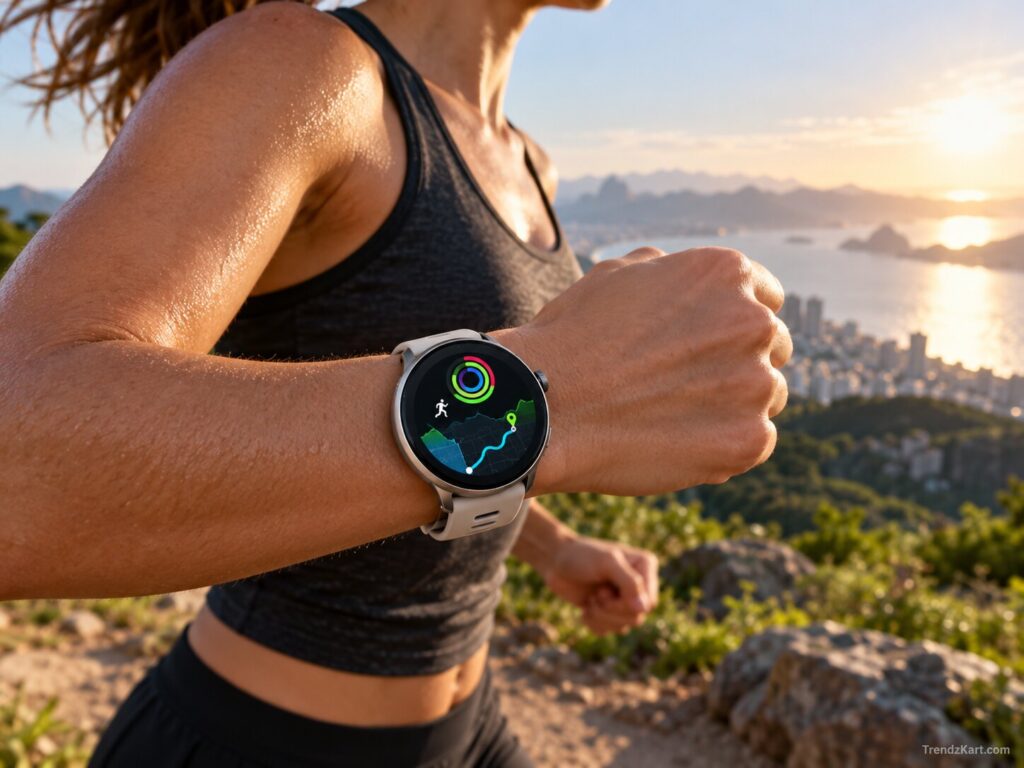
The Pixel Watch 5 is Google’s 2026 smartwatch update, combining everyday smartwatch functions with fitness tracking and Gemini-powered assistance.
It is designed for people who want notifications, activity information, and selected voice interactions available from their wrist.
Key Features
Google highlights improved GPS tracking, personalized strength coaching, proactive assistance, and new wellness-related features.
Real-Life Uses
A runner can review compatible GPS activity information.
Someone building a regular exercise routine may use activity tracking and coaching features.
A busy professional may benefit from notifications and hands-free interactions.
Advantages
Convenient wearable form, fitness tracking, and integration with Google’s software services.
Limitations
Battery charging remains part of smartwatch ownership. Certain health-related features may have regional, eligibility, or regulatory restrictions.
Health measurements are not a substitute for professional medical evaluation.
Who Should Buy It?
Android users who want fitness features and daily smartwatch convenience.
Buying tip: Compare battery life, phone compatibility, supported health features, and ongoing subscription requirements.
Official source: Google Pixel Watch 5
6. Apple iPhone 17e: A Practical Upgrade for Everyday iPhone Users

The iPhone 17e, introduced in March 2026, expands Apple’s iPhone 17 family with a comparatively accessible option.
Instead of focusing only on expensive flagship features, it offers a combination of modern processing power, photography, and everyday usability.
Key Specifications
Apple lists:
- A19 chip.
- 48MP Fusion camera.
- 6.1-inch Super Retina XDR display.
- 256GB starting storage.
- MagSafe compatibility.
Real-Life Uses
The phone can handle common tasks such as messaging, photography, navigation, video recording, and compatible productivity applications.
For someone upgrading from a much older iPhone, the improved processor and storage may matter more than highly specialized camera features.
Advantages
Modern processor, useful camera capabilities, and access to Apple’s ecosystem.
Limitations
Buyers who need premium display or advanced multi-camera capabilities should compare higher-tier models.
Who Should Buy It?
Existing iPhone users looking for a practical upgrade and people entering Apple’s ecosystem.
Buying tip: Compare total price, storage, battery needs, and accessory costs rather than assuming the newest phone is automatically the best choice.
Official source: Apple’s 2026 device announcement
7. Apple MacBook Neo: An Accessible Laptop for Study and Everyday Work

Apple introduced the MacBook Neo in March 2026 as a new entry point into its laptop family.
The product is interesting because not every laptop buyer needs expensive professional-level computing power.
For many people, portability, battery life, software compatibility, and a comfortable keyboard are more important.
What Can It Be Used For?
Typical everyday tasks include online research, writing assignments, email, video meetings, and presentations.
Students and home users may find a straightforward laptop more practical than a premium machine with features they rarely use.
Advantages
Portable laptop design, access to macOS, and a relatively accessible position within Apple’s range.
Limitations
Entry-level laptops are not necessarily ideal for demanding 3D rendering, large video projects, or specialized software.
Who Should Buy It?
Students, first-time Mac buyers, and people whose work mainly involves everyday applications.
Buying tip: Check RAM, storage, ports, software compatibility, and external display support for the exact configuration.
Official source: Apple MacBook Neo availability
8. Apple MacBook Air M5: A Lightweight Laptop With More Computing Power

The MacBook Air with M5 is Apple’s 2026 update to its popular thin-and-light laptop family.
Apple announced 13-inch and 15-inch models, with 512GB starting storage and updated wireless connectivity.
Key Features
The M5 platform introduces improved processing and graphics capabilities, including acceleration for compatible AI workloads.
Apple also highlights Wi-Fi 7, Bluetooth 6, a 12MP Center Stage camera, and up to 18 hours of battery life under specified testing conditions.
Real-Life Uses
The laptop may suit remote work, writing, presentations, programming, photo editing, and selected creative applications.
Advantages
Portable design, modern processor, larger starting storage, and a mature laptop software ecosystem.
Limitations
Memory and storage configurations affect long-term usefulness. Sustained performance requirements may favor a different class of laptop for demanding professional work.
Who Should Buy It?
Professionals, students, and creators who want a portable computer.
Buying tip: Compare the cost of memory and storage upgrades before ordering.
Official source: Apple introduces MacBook Air with M5
9. Apple iPad Air M4: A Tablet for Notes, Creativity, and Portable Work

Apple’s 2026 iPad Air update brings the M4 chip to its midrange tablet family.
The iPad Air offers a different experience from a traditional laptop.
Its touchscreen interface and compatible accessories can make it attractive for drawing, reading, and handwritten notes.
Real-Life Uses
A student might annotate documents.
An illustrator may use compatible creative software and a stylus.
A frequent traveler may prefer a tablet for reading and entertainment.
Advantages
Portable design, versatile touchscreen experience, and access to a wide range of tablet applications.
Limitations
Some desktop workflows remain easier on a laptop. Accessories such as keyboards and styluses can add significantly to the overall cost.
Who Should Buy It?
Students, artists, and people who prefer touchscreen workflows.
Buying tip: Check the total cost of the tablet and required accessories before deciding it is cheaper than a laptop.
Official source: Apple’s March 2026 product lineup
10. Roborock Saros 20: AI Robot Vacuum Technology for Busy Homes
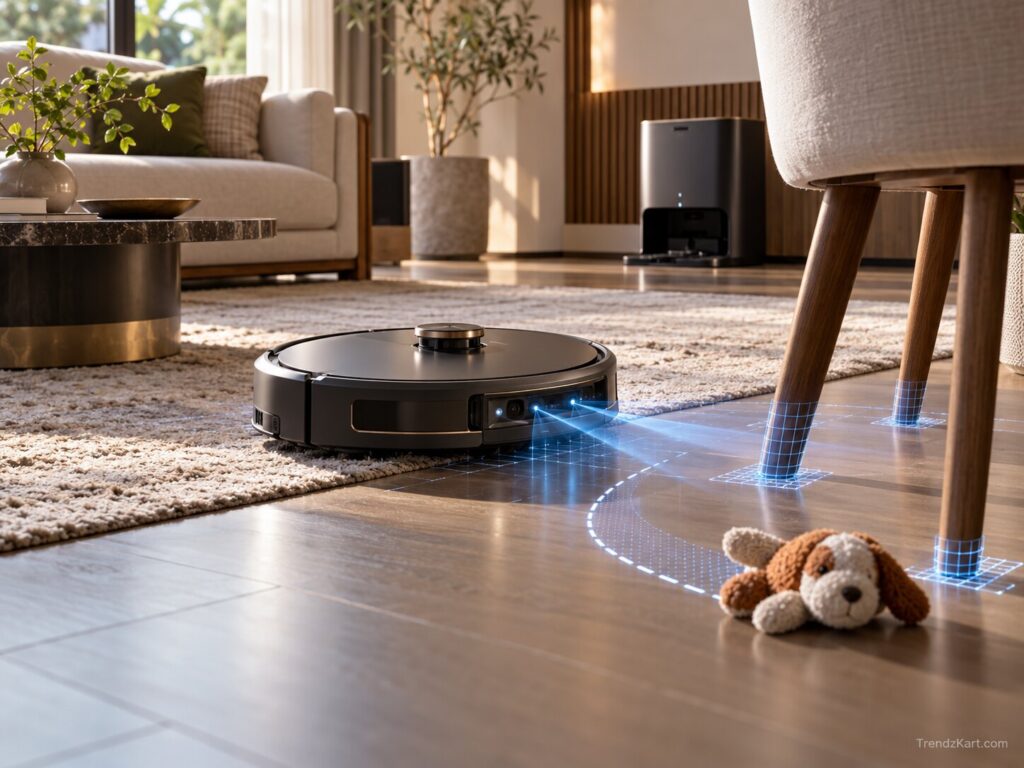
Robot vacuum cleaners are moving beyond basic scheduled cleaning.
Roborock announced the Saros 20 at CES 2026, introducing upgraded navigation, obstacle recognition, and threshold-crossing capabilities.
Key Features
Roborock describes its StarSight Autonomous System 2.0, recognition of up to 201 object types, and an AdaptiLift Chassis designed to cross certain raised thresholds.
The company also announced a 35,000Pa suction rating under its specified conditions.
Real-Life Uses
A robot vacuum can help maintain floors between deeper cleaning sessions.
Advanced navigation may be especially useful in homes with furniture, obstacles, and transitions between rooms.
Advantages
Automated routine cleaning, improved navigation, and reduced need for manual vacuuming in suitable environments.
Limitations
No robot vacuum is completely maintenance-free.
Users still need to manage dust containers, cleaning components, cables, and unsuitable obstacles.
Manufacturer suction figures do not guarantee identical cleaning results on every surface.
Who Should Buy It?
Busy households and people who want automated floor maintenance.
Buying tip: Compare independent cleaning tests, obstacle handling, floor compatibility, replacement parts, and service availability.
Official source: Roborock CES 2026 announcement
11. Oura Ring 4: Understanding the Smart Ring Trend
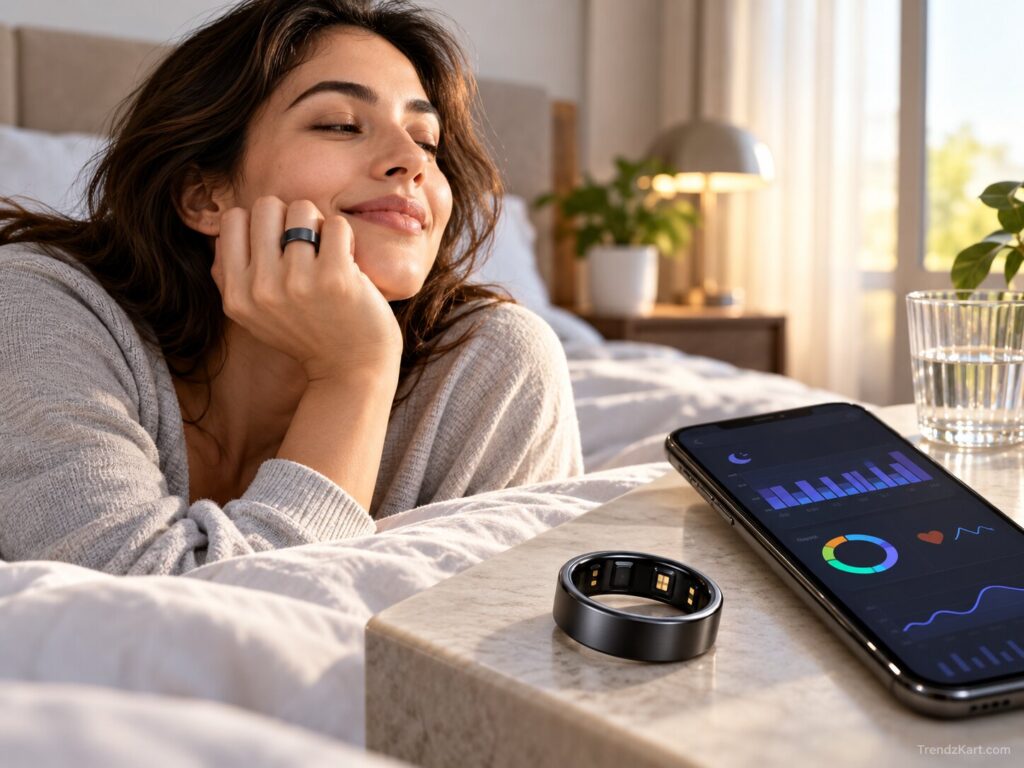
Smart rings are one of the most interesting alternatives to conventional smartwatches.
Unlike watches, they are designed to collect selected activity and wellness measurements in a compact ring-shaped form.
The Oura Ring 4 is an established example of this category, although it was originally introduced before 2026. It is included here to explain the smart-ring technology buyers are considering in 2026, not as a new 2026 launch.
Key Features
Oura describes adaptive sensing technology, continuous measurements, and a titanium design.
Its ecosystem focuses on sleep, activity, recovery, and wellness trends.
Real-Life Uses
Some people prefer wearing a ring overnight rather than sleeping with a smartwatch.
A smart ring may make it easier to review long-term trends in sleep and activity.
Advantages
Discreet wearable format and an emphasis on continuous tracking.
Limitations
Smart rings may require subscriptions for certain insights.
Ring sizing, charging, sensor accuracy, and compatibility should be considered carefully.
Wellness data is not a medical diagnosis.
Who Should Buy It?
People interested in sleep and activity trends who prefer a ring to a smartwatch.
Buying tip: Check subscription costs and use the official sizing process before purchasing.
Official source: Oura Ring 4 information
12. Samsung Bespoke AI Family Hub Refrigerator: AI Moves Into the Kitchen

AI technology is not limited to devices carried in a pocket.
Samsung’s 2026 Bespoke AI home appliance range shows how connected technology is expanding into kitchens.
The Family Hub refrigerator combines conventional refrigeration with smart-home and food-management functions.
Key Features
Samsung’s 2026 appliance announcements highlight AI Vision, connected services, and integration with Google’s Gemini technology on supported models.
Real-Life Uses
A compatible smart refrigerator can provide food-related information, household scheduling features, and selected connected-home functions.
These features may be useful for households already using compatible smart-home devices.
Advantages
Convenient connected interface, food-management assistance, and integration with supported home systems.
Limitations
AI recognition may not always be correct.
Connectivity, software support, privacy, repair costs, and long-term reliability are important considerations.
A refrigerator’s core cooling performance and energy efficiency should remain the main buying priorities.
Who Should Buy It?
Households planning a premium refrigerator purchase and interested in connected-home features.
Buying tip: Compare capacity, energy consumption, warranty, installation requirements, and service support before paying extra for AI functions.
Official source: Samsung Newsroom
Quick Comparison: Which 2026 Gadget Is Right for You?
| Gadget | Main benefit | Ideal user |
|---|---|---|
| Galaxy Z Fold8 Ultra | Large-screen multitasking | Professionals |
| Galaxy Z Flip8 | Compact foldable design | Casual creators |
| Pixel 11 Pro | AI and photography | Android enthusiasts |
| Pixel Tag | Finding personal items | Travelers |
| Pixel Watch 5 | Fitness and daily assistance | Active users |
| iPhone 17e | Everyday smartphone features | iPhone buyers |
| MacBook Neo | General-purpose computing | Students |
| MacBook Air M5 | Portable performance | Professionals |
| iPad Air M4 | Touchscreen creativity | Artists and students |
| Roborock Saros 20 | Automated floor cleaning | Busy households |
| Oura Ring 4 | Sleep and wellness trends | Wearable enthusiasts |
| Samsung Family Hub | Connected kitchen features | Smart-home households |
How to Choose the Right Electronic Gadget in 2026
Start With a Real Problem
The most useful gadget is the one that solves a problem you experience regularly.
If you constantly misplace your keys, an item tracker may be more valuable than an expensive AI accessory.
If you work with documents while traveling, a capable laptop or foldable phone may offer genuine benefits.
Compare the Total Cost
A gadget’s purchase price is only part of its cost.
Subscriptions, accessories, repairs, replacement batteries, and installation charges can increase long-term expenses.
Understand What AI Actually Does
Some AI features run on the device. Others require an internet connection or cloud services.
Certain functions are available only in selected countries or languages.
Before buying, check whether the features that interest you are supported in your region.
Consider Privacy and Software Support
Connected gadgets may process location data, voice information, photos, or personal activity measurements.
Review privacy controls and manufacturer update commitments.
Read Independent Reviews
Manufacturer specifications explain what a device is designed to do.
Independent reviews can reveal practical strengths and weaknesses such as battery performance, comfort, noise, and reliability.
Five Common Mistakes When Buying New Gadgets
1. Buying because of the AI label: AI does not automatically improve every device.
2. Ignoring compatibility: Check whether a gadget works with your phone, operating system, and existing accessories.
3. Paying for features you will not use: A simpler model may provide better value.
4. Trusting advertised battery figures as guaranteed results: Actual battery life depends on usage.
5. Forgetting after-sales support: Warranty coverage, repair availability, and replacement parts can matter more than a small specification difference.
Frequently Asked Questions
What are the newest electronic gadget categories in 2026?
AI smartphones, foldable phones, updated laptops, item trackers, advanced robot vacuum cleaners, and connected home appliances are among the notable categories.
Are AI gadgets worth buying?
They can be useful when AI features improve tasks you already perform. However, buyers should compare real benefits, compatibility, privacy, and total cost.
Which gadget is most useful for students?
A laptop or tablet is often a practical choice, depending on required software and study habits.
Are foldable smartphones reliable?
Foldable phones have improved, but buyers should still consider screen care, repair costs, and warranty coverage.
Can a robot vacuum replace manual cleaning completely?
Usually not. Robot vacuums can reduce routine floor-cleaning work, but deeper cleaning and maintenance may still be necessary.
Is a smart ring better than a smartwatch?
It depends on your needs. Smart rings may appeal to people who prefer discreet tracking, while smartwatches offer displays and more interactive functions.
Are smart home appliances worth the extra money?
They can be worthwhile when their connected features are genuinely useful. Core appliance performance, efficiency, and reliability should come first.
Should I buy a gadget immediately after launch?
Not necessarily. Waiting for independent reviews can help you evaluate real-world performance and identify potential issues.
Final Thoughts
The most interesting electronic gadgets in 2026 demonstrate how technology is becoming more integrated into everyday life.
Foldable phones are expanding mobile productivity. Smartwatches and rings are offering new ways to review activity trends. AI-powered cleaning devices are becoming more capable, while laptops and tablets continue to improve portable computing.
Yet the smartest purchase is not always the newest or most expensive device.
It is the product that fits your needs, works reliably with your existing technology, and offers value beyond its marketing claims.
At TrendzKart, we focus on explaining technology in practical language so readers can compare features, understand limitations, and make more confident buying decisions.
Explore more electronics, product comparisons, and buying guides at TrendzKart.com.
Disclaimer: Product names and trademarks belong to their respective owners. This independent editorial article is not sponsored or endorsed by the featured manufacturers. No hands-on testing is claimed.