

Discover 15 creative home decor ideas for 2026, including lighting, colour, storage, rental-friendly styling and affordable ways to personalize every room.
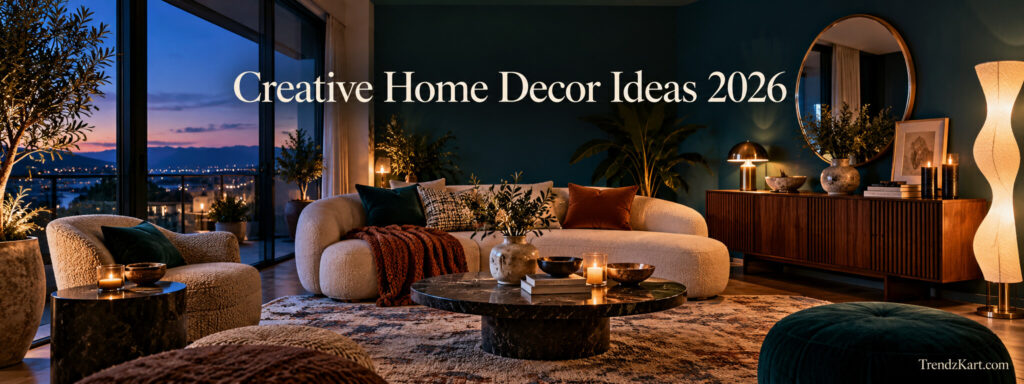
A beautifully decorated home does not have to look like a furniture showroom. It should reflect the people living there, support their everyday routines and remain comfortable throughout the year.
Many rooms feel unfinished not because they need more furniture, but because their lighting, colours, textures and personal details do not work together. Likewise, constantly purchasing fashionable accessories can make a room feel crowded without improving its atmosphere.
The following home decor ideas focus on thoughtful changes rather than expensive renovations. Some can be completed with objects you already own, while others may help you plan future purchases more carefully.
1. Create a Personal Story Wall
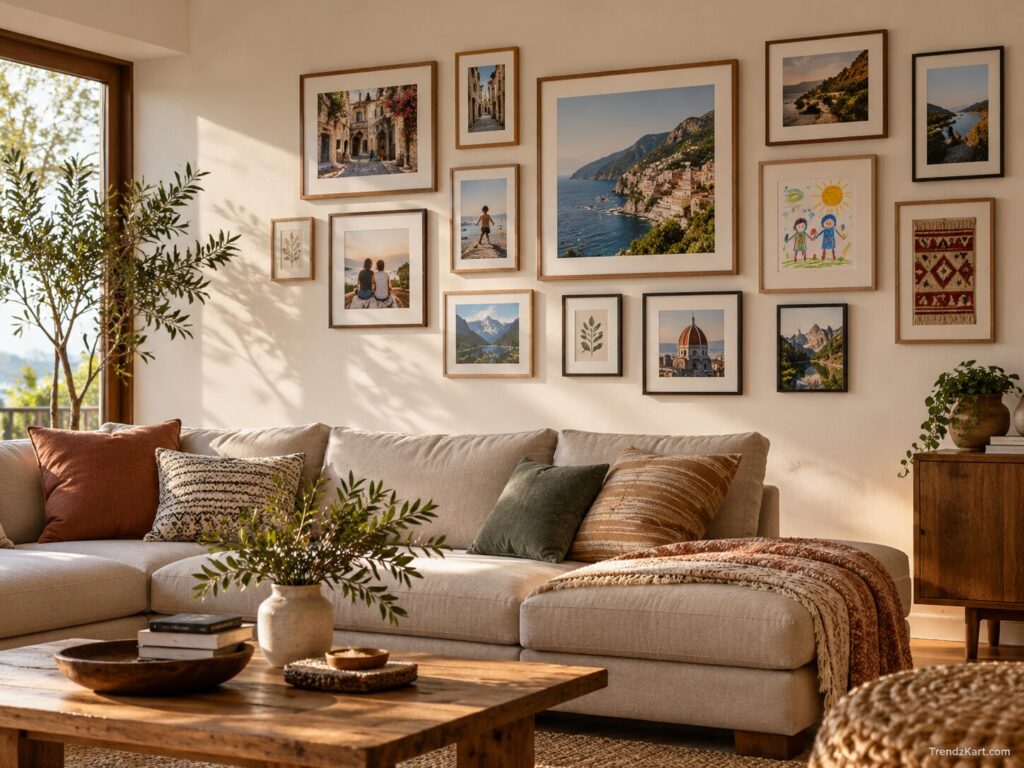
A story wall can feel more meaningful than a collection of unrelated decorative prints.
Combine personal photographs, travel memories, handwritten recipes, postcards, children’s artwork or small framed textiles. These elements can give visitors a genuine sense of the people who live in the home.
Begin by selecting a common feature that connects the pieces. This could be similar frames, a consistent colour palette or matching gaps between each item. Arrange everything on the floor before making holes in the wall.
Avoid filling the entire wall immediately. Leaving some open space makes it easier to add new memories later.
Practical idea: Use removable picture-hanging strips if you rent your home, but confirm that they are suitable for the wall surface.
2. Use a Large Mirror to Improve Light
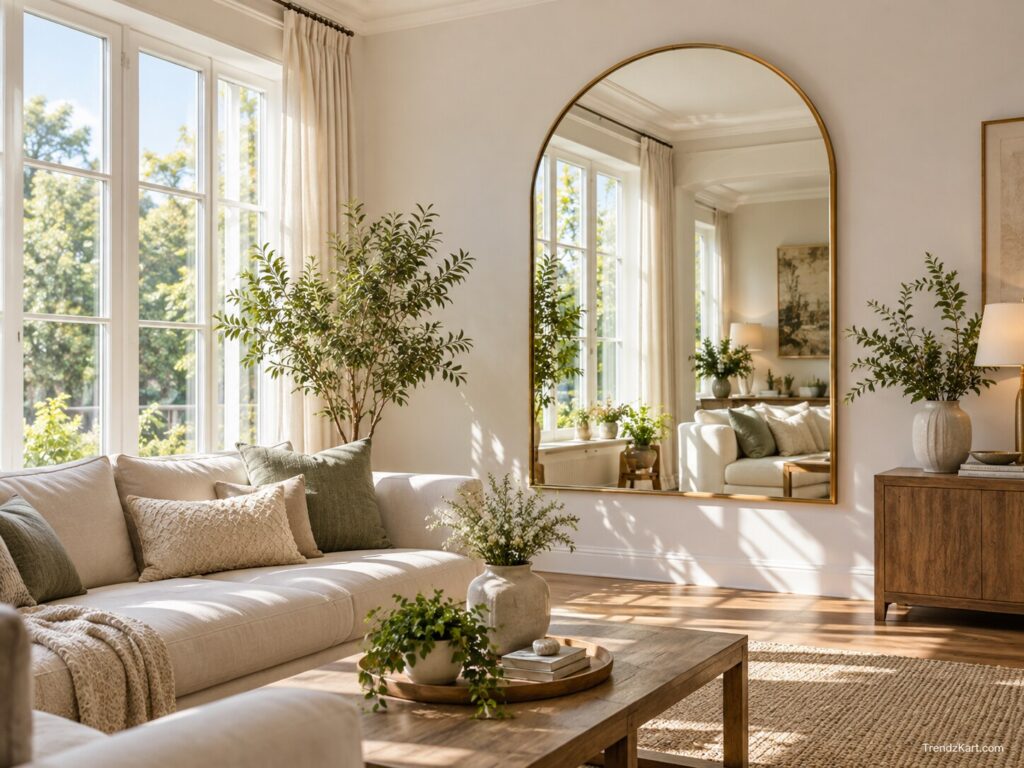
A mirror can make a relatively dark room feel brighter by reflecting natural and artificial light.
Consider placing a mirror opposite or slightly beside a window. This may distribute daylight more effectively without creating an uncomfortable reflection.
In an entrance hallway, a full-length mirror can also be practical before leaving the house. A decorative mirror above a console table can create a useful focal point in a living room.
Measure the available space carefully before purchasing. A mirror that is too small may look disconnected, while an oversized and poorly secured mirror can become a safety concern.
Safety note: Heavy mirrors should be installed using suitable wall fixings rather than simply resting unsecured against a wall.
3. Build a Reading Corner in an Unused Space
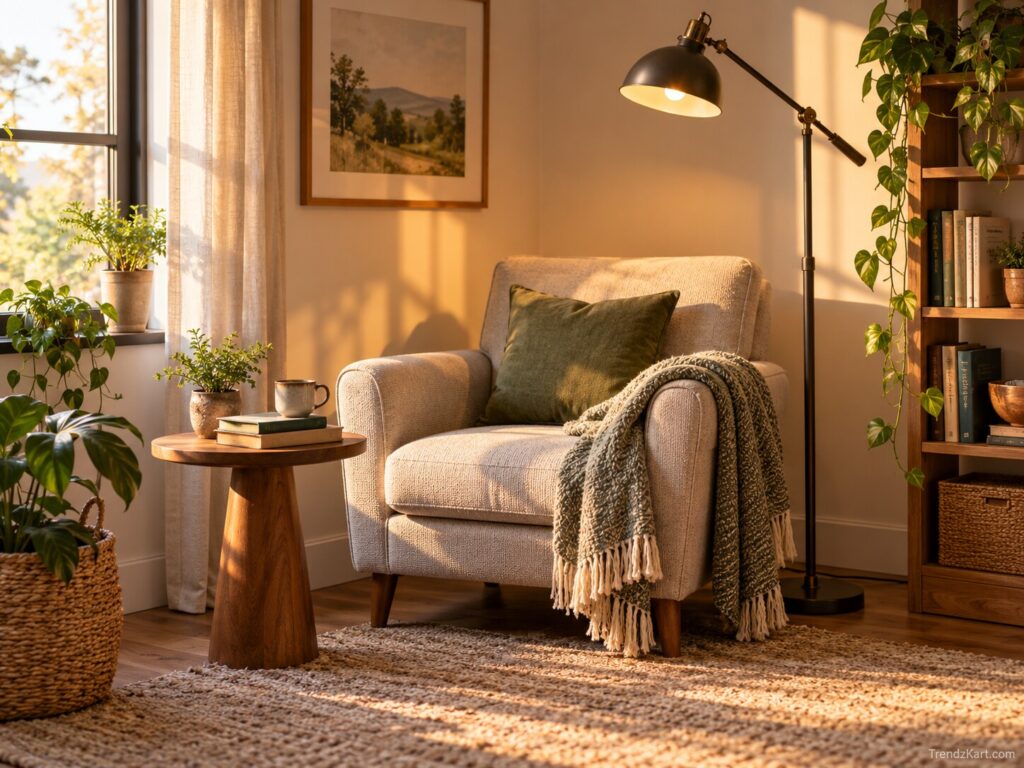
An empty corner can become a comfortable reading or relaxation area without requiring a separate room.
Start with a supportive chair, a small side table and a suitable light. Add a soft cushion or throw if the room needs more warmth and texture.
A floor lamp with an adjustable head can provide focused illumination, while a wall-mounted light may be useful where floor space is limited. Keep the area free from unnecessary accessories so that it remains easy to use.
The corner does not have to be used only for reading. It can also provide a quiet place for drinking tea, listening to music or taking a break from screens.
Budget idea: Move an underused chair from another room before purchasing a new one.
4. Decorate With Tonal Layers
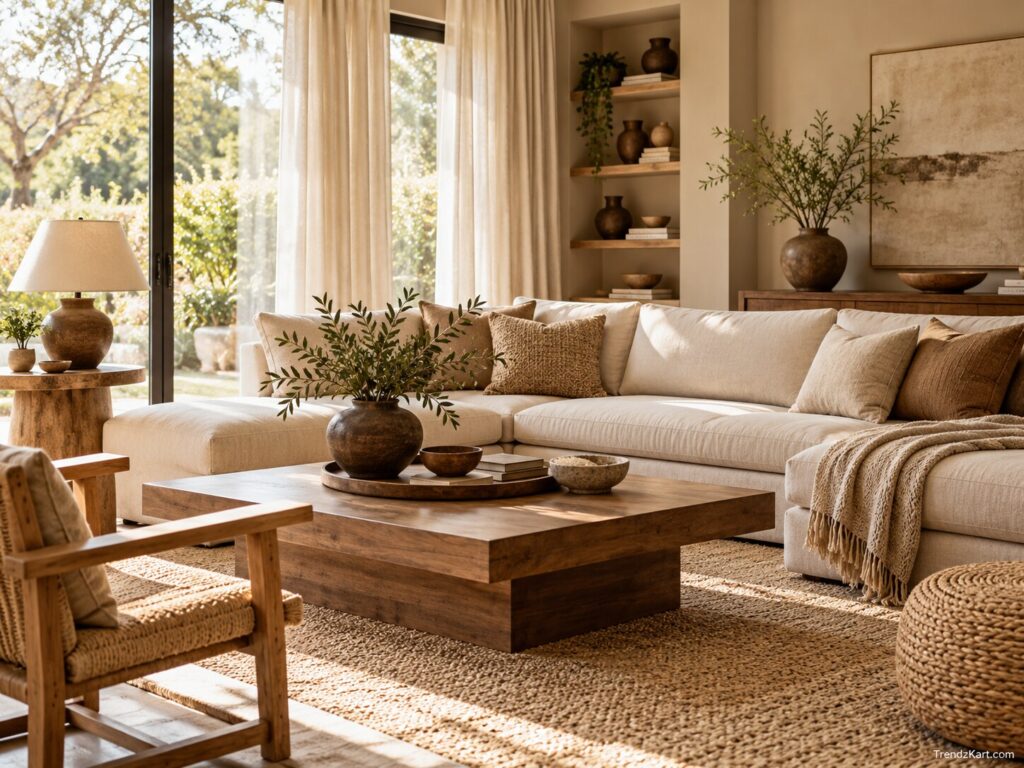
A tonal room uses several shades from the same colour family rather than many unrelated colours.
For example, a beige room may combine cream curtains, sand-coloured cushions, warm wooden furniture and a deeper brown decorative object. A blue room could include pale blue walls, navy textiles and blue-grey accessories.
The variation in shade creates depth while keeping the room visually calm.
Texture is particularly important in tonal decorating. Combine smooth surfaces with woven fabrics, natural wood, ceramics or soft rugs to prevent the space from looking flat.
Planning tip: Test paint and fabric samples in the room during both daylight and evening before making a final decision.
5. Introduce Colour Through Smaller Pieces
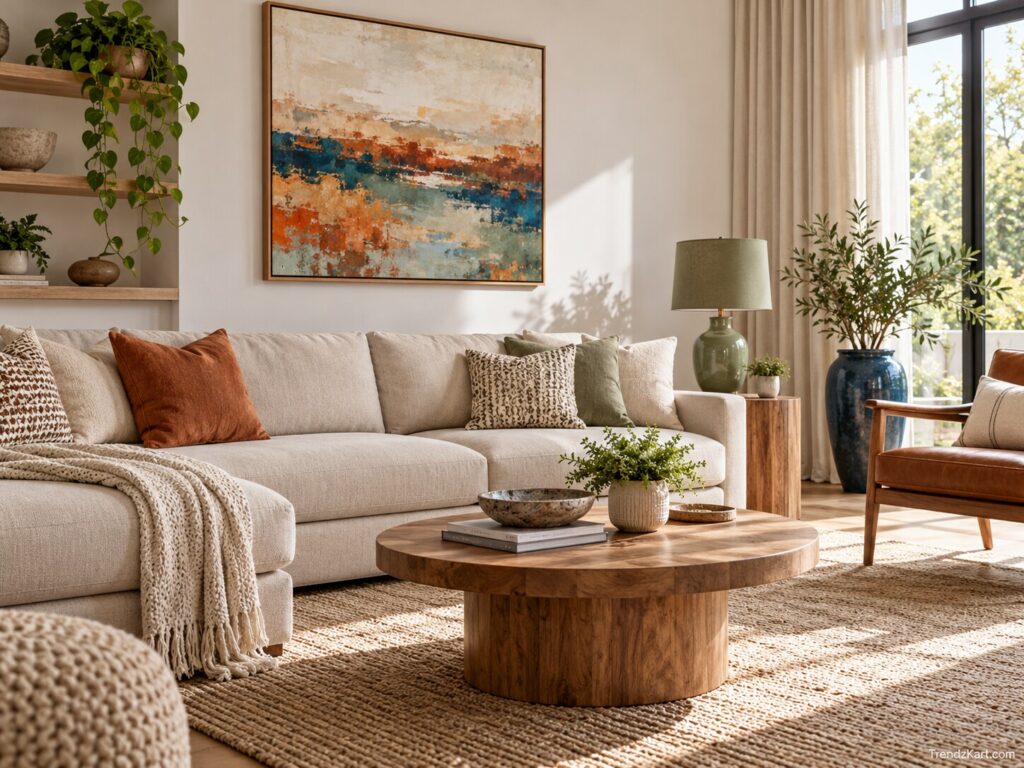
Painting an entire room is not the only way to introduce colour.
Cushion covers, lampshades, throws, artwork, plant pots and small furniture pieces can add colour without requiring a permanent change. These items are also easier to update when your preferences change.
Choose one main accent colour and repeat it in two or three areas of the room. The pieces do not need to match exactly; slight variations usually create a more natural result.
Avoid adding multiple bright colours at the same time without considering how they relate to the existing flooring, walls and furniture.
Practical idea: Start with items you can return or reuse elsewhere before committing to a large colourful sofa.
6. Give Old Furniture a New Purpose
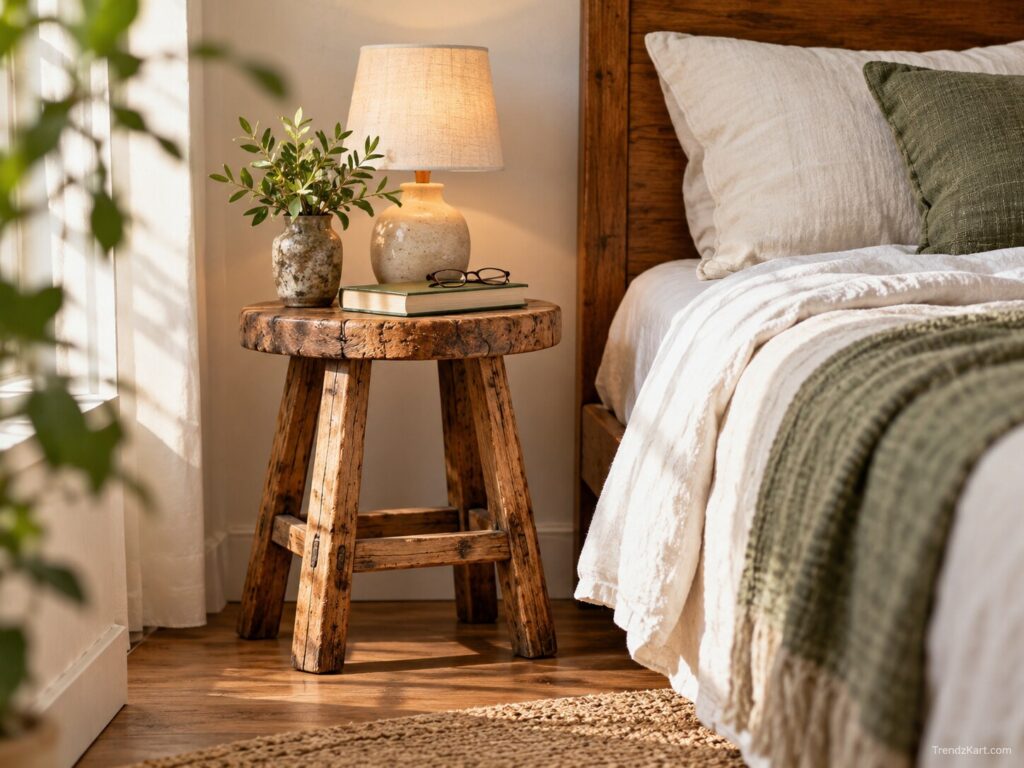
Before replacing an old piece of furniture, consider whether it can serve a different function.
A small wooden stool might become a plant stand or bedside table. An unused dining chair could work at a dressing table. A narrow cabinet might provide storage in an entrance hallway.
Cleaning, repairing or refinishing a solid piece may be more practical than buying a low-quality replacement. However, restoration should be appropriate for the material and condition of the item.
Antique or older furniture may require professional attention, particularly if it contains damaged finishes, unstable joints or potentially hazardous old paint.
Shopping tip: When buying second-hand furniture, inspect it for structural damage, pests, odours and missing parts.
7. Layer Lighting Instead of Using One Bright Light
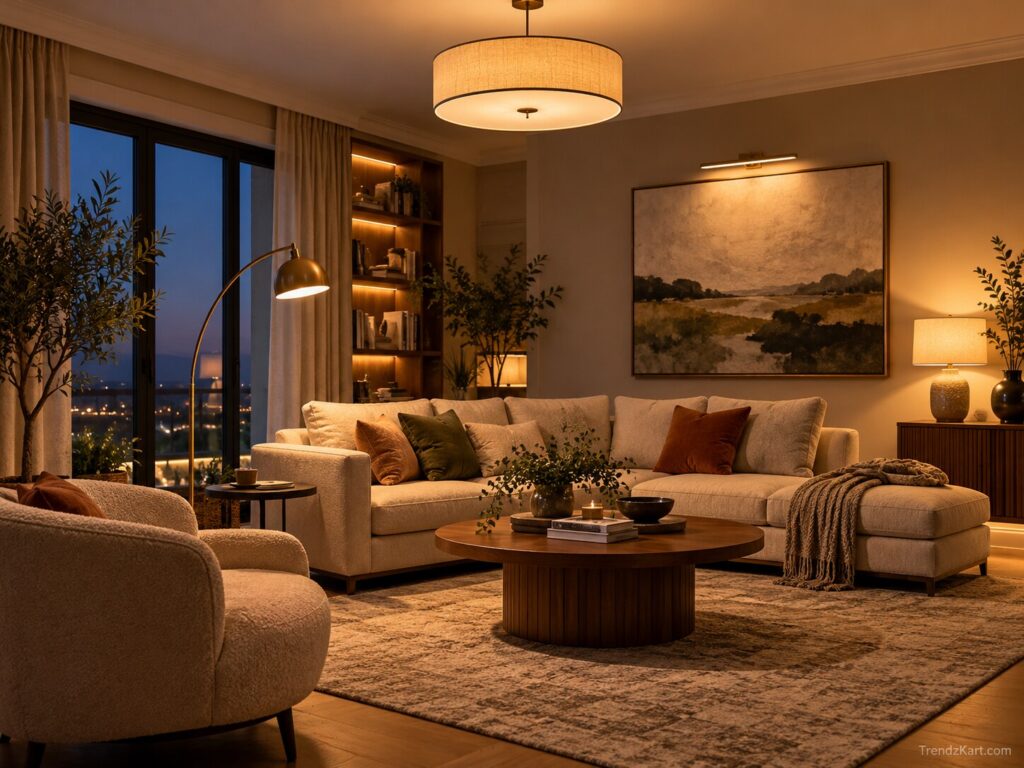
A single ceiling light rarely creates a comfortable atmosphere in every part of a room.
A more flexible lighting plan can include three layers:
- General lighting for overall visibility
- Task lighting for reading, cooking or working
- Accent lighting for highlighting artwork or architectural details
A living room might combine a ceiling fixture, a reading lamp and a small table lamp. A kitchen may need general lighting along with focused illumination over preparation surfaces.
Warm or cool light can affect how colours and materials appear. Check the bulb specification and choose an appropriate brightness for the room’s purpose.
Efficiency tip: When purchasing bulbs, compare energy use, brightness and expected lifespan rather than choosing by appearance alone.
8. Add a Decorative Indoor Garden
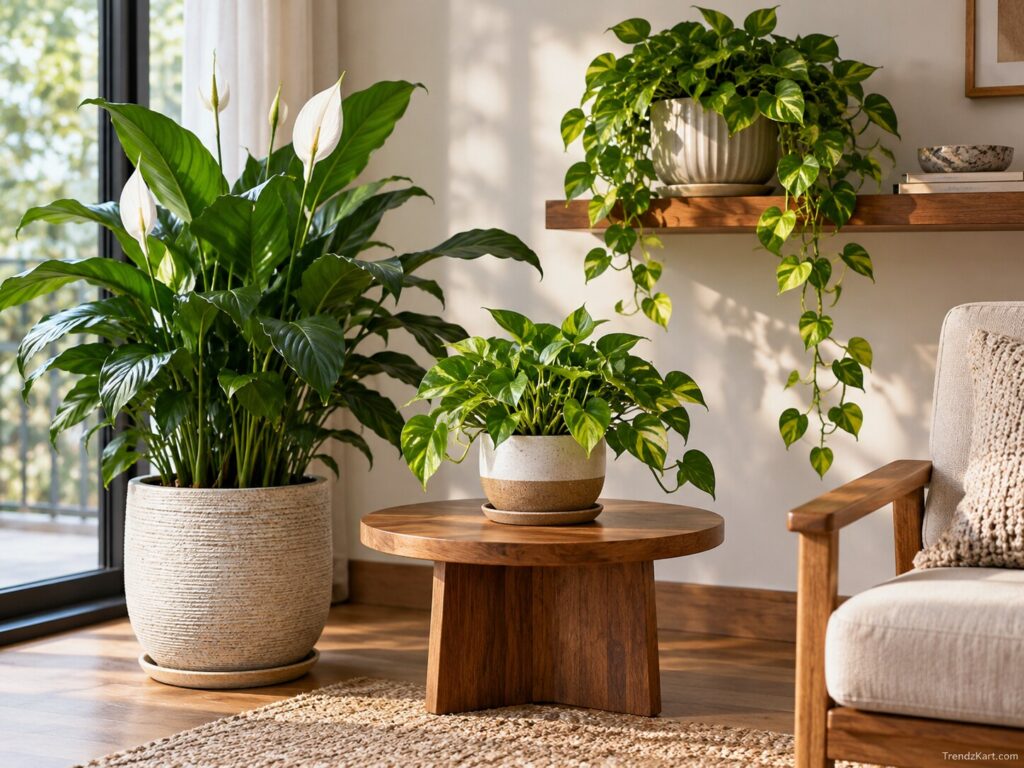
Plants can introduce colour, shape and a connection with nature, but a room does not need dozens of plants to feel welcoming.
Create one intentional plant display using two or three plants at different heights. Combine a floor-standing plant with a smaller plant on a shelf or table.
Choose species according to the room’s real light and humidity conditions. A plant recommended for bright indirect light may struggle in a dark hallway, regardless of how attractive it looks there.
Decorative planters can coordinate the display, but every container should provide appropriate drainage or use an internal nursery pot.
Responsible choice: Confirm that a plant is appropriate for homes with children or pets before bringing it indoors.
9. Make Open Shelves Look Intentional
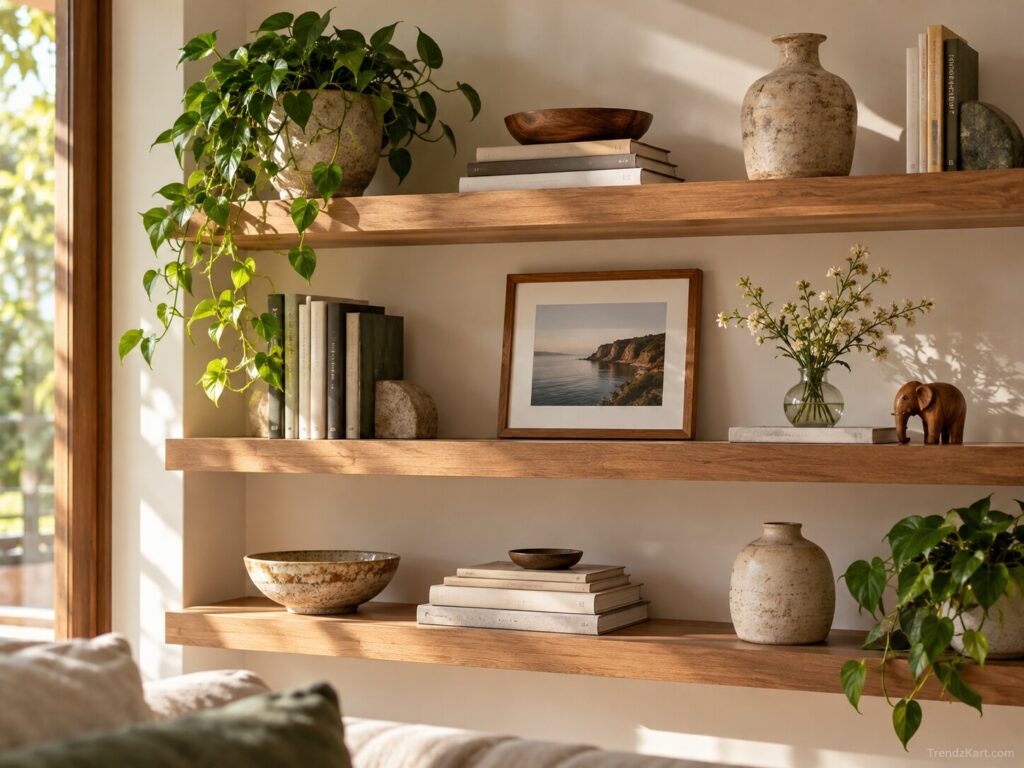
Open shelves work best when they contain a balanced combination of useful and decorative objects.
Begin by removing everything and selecting only the pieces you genuinely want to display. Combine books, ceramics, framed photographs and a small number of meaningful accessories.
Vary the height and orientation of objects. Some books can stand vertically, while a short stack may support a small decorative piece.
Leave visible space between groups. Filling every centimetre tends to make shelves look like storage rather than a considered display.
Maintenance tip: Open shelving requires regular dusting, so avoid displaying more items than you can comfortably maintain.
10. Create a Hotel-Inspired Bedroom Without Losing Personality
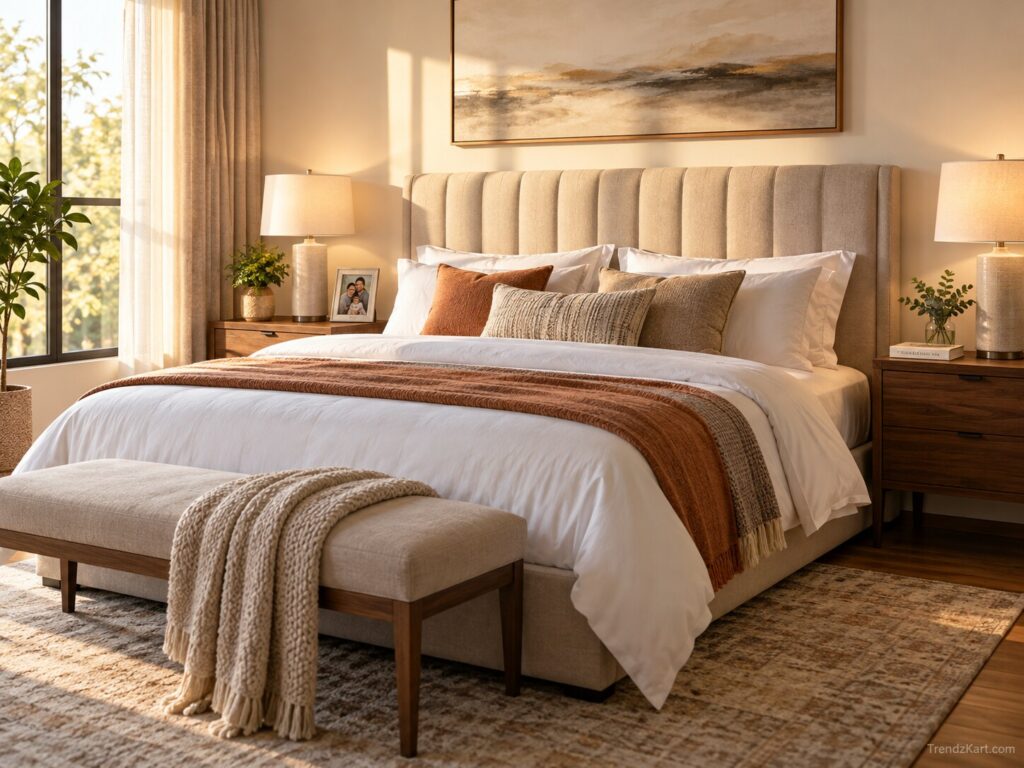
A calm bedroom can borrow some principles from hotel design without becoming impersonal.
Start with comfortable bedding, accessible bedside lighting and clear walking space around the bed. Use coordinated colours rather than insisting that every fabric matches exactly.
A padded headboard, a washable bedside rug or a pair of simple lamps may create a more finished appearance. Personal photographs, a favourite book and meaningful artwork can prevent the room from feeling generic.
Consider storage before adding decorative accessories. A clear bedside surface is easier to maintain when frequently used items have an assigned place.
Comfort tip: Choose bedding according to your climate, care preferences and sleeping comfort—not only its appearance in photographs.
11. Use Curtains to Improve the Room’s Proportions
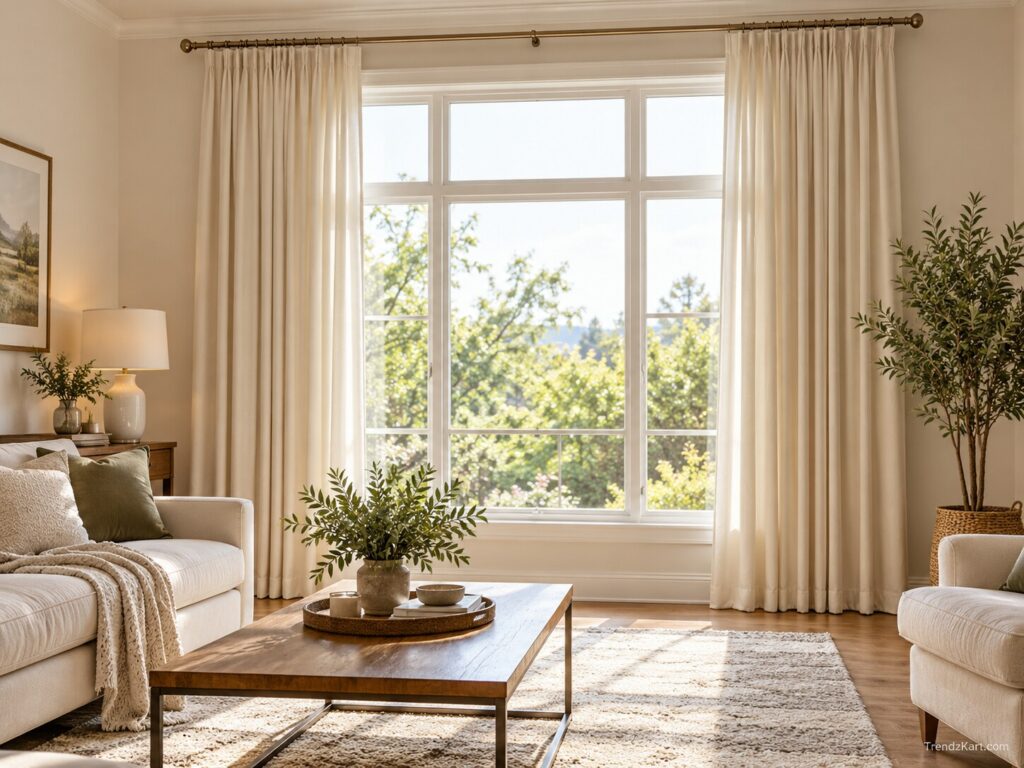
Curtains can affect how tall and wide a window appears.
When suitable, positioning the curtain rod above the window and allowing the fabric to extend beyond both sides can create a more generous visual frame. It may also allow more daylight into the room when the curtains are open.
Measure the height, width and preferred curtain length carefully. Curtains that are too short may look accidental, while excessively long fabric can collect dust or create a tripping risk.
Consider privacy, insulation and light control when selecting the material. Decorative sheer curtains and blackout curtains serve different purposes.
Buying tip: Check whether the listed dimensions refer to one curtain panel or the complete pair.
12. Introduce Texture With Washable Textiles
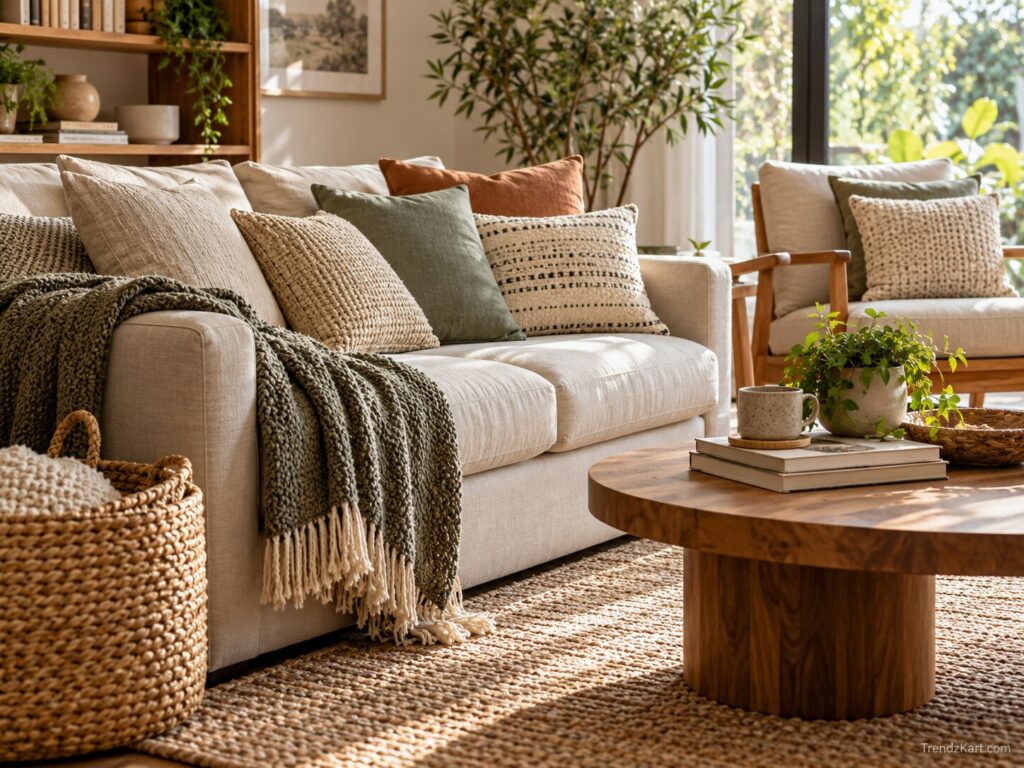
Texture can make a neutral room feel warmer without requiring strong colours.
Consider combining cotton, linen-like fabrics, soft knits, woven baskets and textured cushion covers. A rug can also help define a seating or dining area.
Practicality matters, especially in homes with children, pets or frequent guests. Removable cushion covers, washable throws and easy-care rugs may be more useful than delicate materials.
Too many heavy textures can make a small room feel visually crowded. Select a few surfaces to emphasize while keeping others relatively simple.
Value tip: Changing cushion covers usually costs less and requires less storage than replacing complete cushions.
13. Turn Everyday Objects Into Decorative Displays
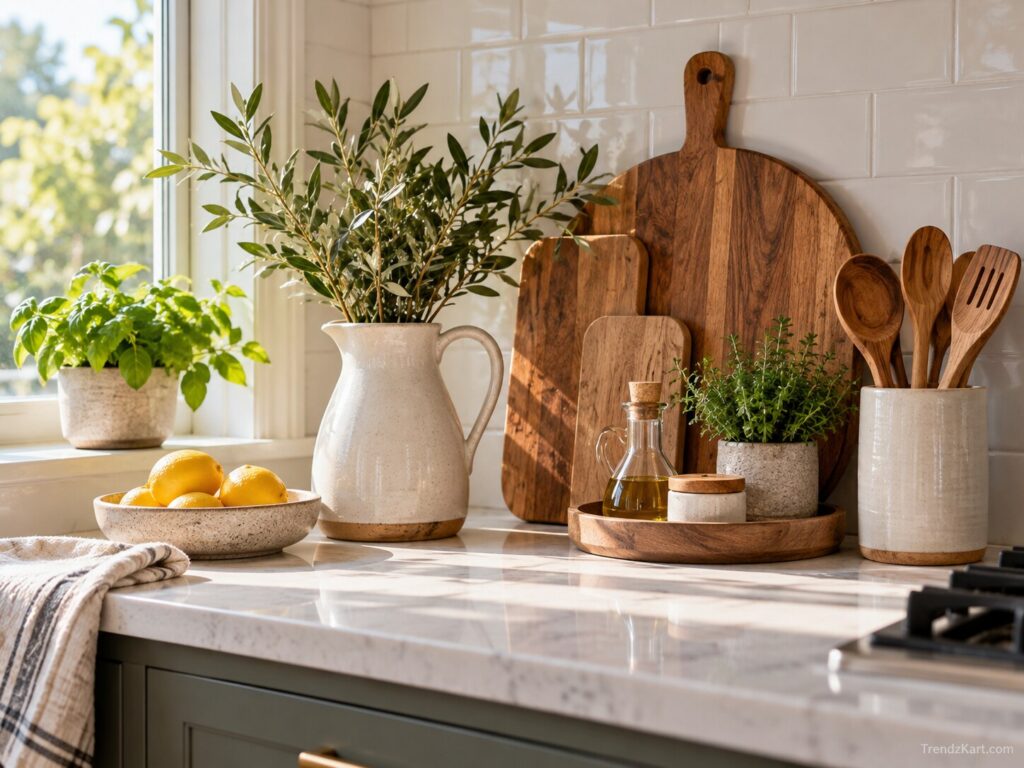
Useful objects can also contribute to the room’s appearance.
In a kitchen, a wooden board, ceramic jug or carefully arranged collection of frequently used utensils can become part of the decor. In an entrance area, an attractive tray can organize keys and small items.
Books, musical instruments, handmade pottery and craft materials can also make a home feel personal when stored thoughtfully.
The goal is not to leave everything visible. Select objects that are both useful and visually appropriate while keeping clutter-prone items inside drawers or cabinets.
Practical rule: If an object is rarely used and has no personal meaning, it probably does not need to occupy a prominent display area.
14. Use Removable Decor in Rental Homes
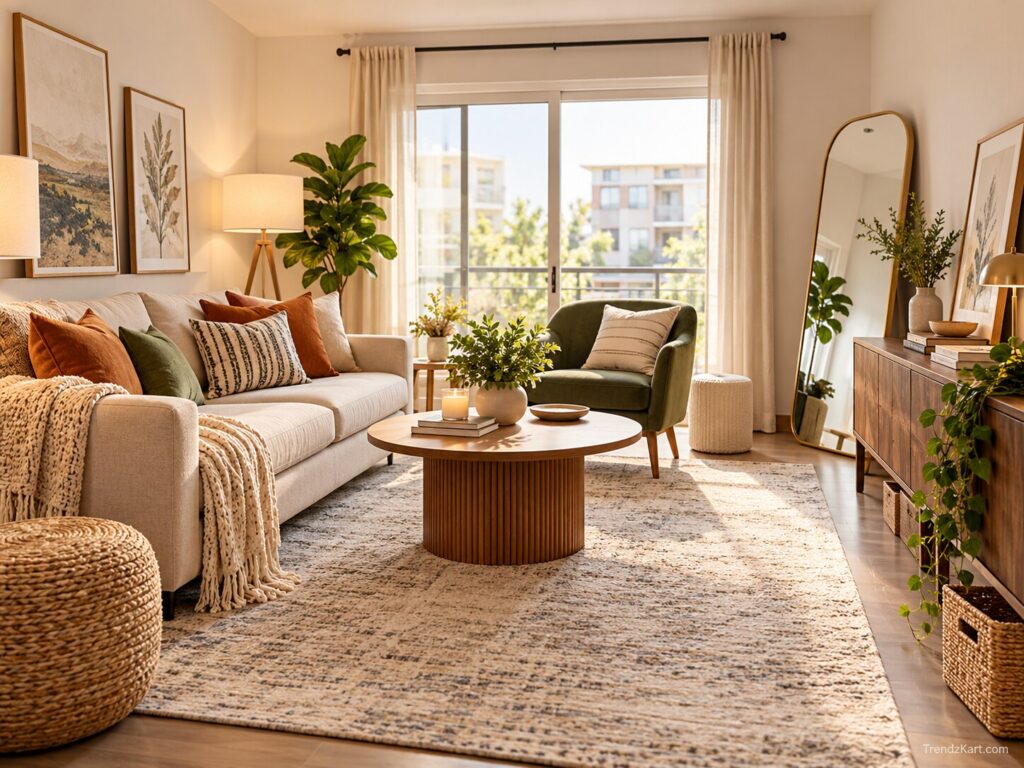
Renters can personalize a home without making major permanent changes.
Options may include removable wall decals, freestanding mirrors, washable rugs, tension-rod curtains and temporary decorative panels. Furniture and textiles can introduce colour when painting is not permitted.
Always review the rental agreement before attaching anything to walls, changing fixtures or applying adhesive materials. Products described as removable can still damage certain paints and finishes.
Test temporary products in an inconspicuous area and follow the manufacturer’s removal instructions.
Design tip: Focus on portable items that can move with you, such as lamps, artwork, cushions and compact storage furniture.
15. Design a Flexible Room That Can Change During the Day
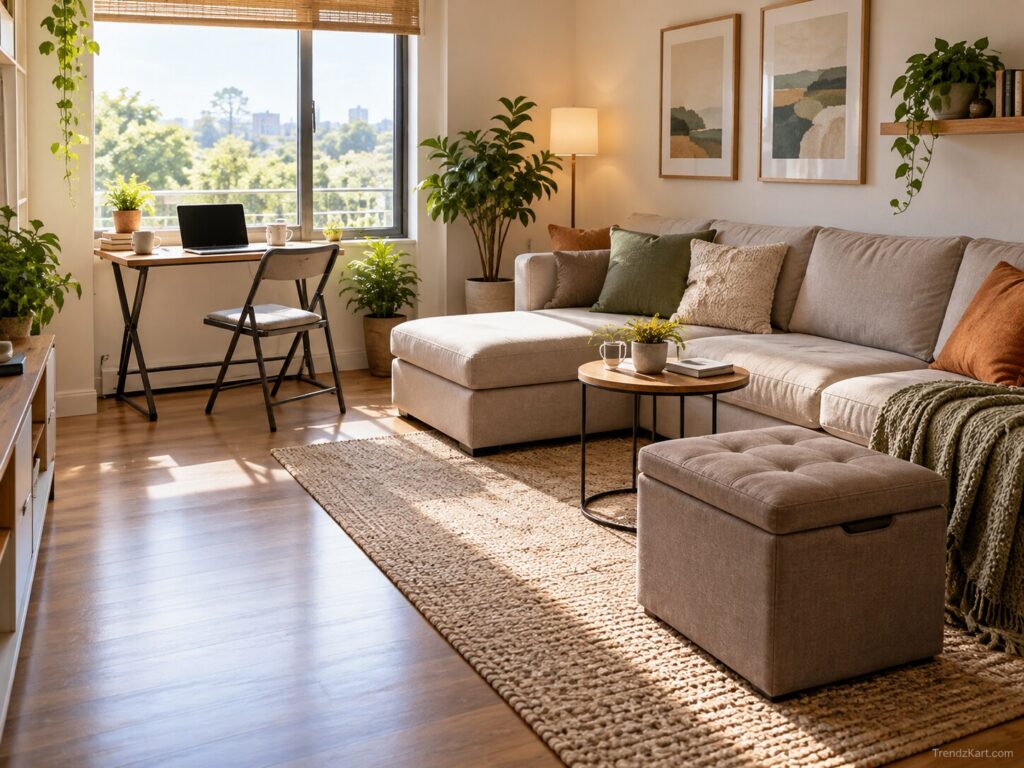
Many homes need one room to support several activities.
A living room might also function as a work area, exercise space or guest room. Lightweight side tables, folding desks, storage ottomans and modular seating can make these transitions easier.
Use a rug, lighting or furniture placement to define each activity without building permanent divisions. A compact desk near natural light can create a work zone, while closed storage can hide equipment after use.
Avoid buying multifunctional furniture only because it offers many features. Check whether its main functions are comfortable and easy to operate.
Planning tip: List the activities the room genuinely needs to support before choosing furniture.
Quick Home Decor Planning Guide
| Area to improve | Practical decor idea | Main consideration |
|---|---|---|
| Dark room | Mirror and layered lighting | Reflection and bulb brightness |
| Empty corner | Reading or relaxation area | Comfort and available space |
| Plain walls | Story wall or tonal paint | Layout and wall condition |
| Crowded room | Fewer, more meaningful accessories | Storage and maintenance |
| Rental home | Portable and removable decor | Landlord rules and surfaces |
| Small room | Flexible furniture | Dimensions and movement space |
| Neutral room | Texture and controlled accent colour | Visual balance |
| Unfinished bedroom | Coordinated bedding and bedside lighting | Comfort and practicality |
Common Home Decor Mistakes to Avoid
Buying Everything at Once
A room often develops more naturally when it is decorated gradually. Living in the space can reveal what is genuinely missing.
Ignoring Measurements
Furniture and rugs may look smaller in online photographs. Measure the room, doors, stairs and walking areas before ordering.
Choosing Appearance Over Everyday Use
A beautiful chair that is uncomfortable or a delicate rug that cannot handle normal household activity may offer poor practical value.
Following Every Trend
Current ideas can provide inspiration, but your home should not require a complete redesign every year.
Creating Too Much Visual Clutter
More accessories do not automatically make a room more interesting. Empty space allows important objects to stand out.
Forgetting Storage
Decorating without addressing storage can leave everyday items spread across visible surfaces.
How to Refresh Your Home on a Limited Budget
Begin by rearranging the furniture and accessories you already own. Moving a lamp, artwork or chair between rooms can produce a noticeable change without additional spending.
Next, identify one area that causes a practical problem. You might need better lighting, a more organized entrance or improved bedroom storage. Solving a real problem often makes a greater difference than adding another decorative item.
When purchasing something new, consider whether it works with several existing pieces and whether you expect to use it for more than one season.
Second-hand furniture, washable textiles and simple repairs can also help improve a home without unnecessary replacement.
Frequently Asked Questions
How can I make my home look stylish without spending much money?
Rearrange existing furniture, reduce unnecessary clutter and improve lighting first. Personal photographs, books and carefully selected textiles can add character without requiring expensive purchases.
Which colours are suitable for modern home decor?
Warm neutrals, earthy greens, muted blues, terracotta and natural wood tones can create versatile interiors. The best choice depends on the room’s light and your existing furniture.
How many colours should be used in one room?
There is no fixed rule, but one main colour, one supporting colour and a smaller accent colour can provide a practical starting point.
How can I decorate a small room?
Use appropriately sized furniture, maintain clear walking routes and choose storage that uses vertical space. Mirrors and layered lighting may also help the room feel more open.
Should every room use the same decor style?
No. Rooms can have different functions and personalities. Repeating a few colours, materials or shapes can still provide visual continuity.
Are artificial plants suitable for home decor?
Artificial plants can provide colour where living plants are impractical. Choose realistic-looking designs and clean them regularly because they can collect dust.
How can I make a rental home feel personal?
Use portable lighting, framed art, textiles, rugs and freestanding storage. Confirm the rental rules before using adhesives or changing fixtures.
What should I buy first when decorating a new home?
Prioritize necessary furniture, lighting, window coverings and storage. Decorative accessories can be added gradually after you understand how the rooms are used.
Final Thoughts
Good home decor should make everyday life easier while giving the home a recognizable personality.
You do not need to copy a complete room from a catalogue or replace furniture whenever a new trend appears. Begin with the home you already have, identify practical problems and introduce thoughtful improvements gradually.
A personal gallery wall, better lighting, repurposed furniture or a comfortable reading corner may have more impact than several expensive accessories. The most successful rooms usually combine comfort, usefulness and personal meaning.
At TrendzKart, we create practical home, lifestyle and shopping guides designed to help readers make more thoughtful decisions.
Explore more independent decor and buying guidance at TrendzKart.com.