

Discover 12 innovative gadgets in 2026, from AI glasses and foldable phones to smart wearables. Explore real-life uses, limitations and buying tips.
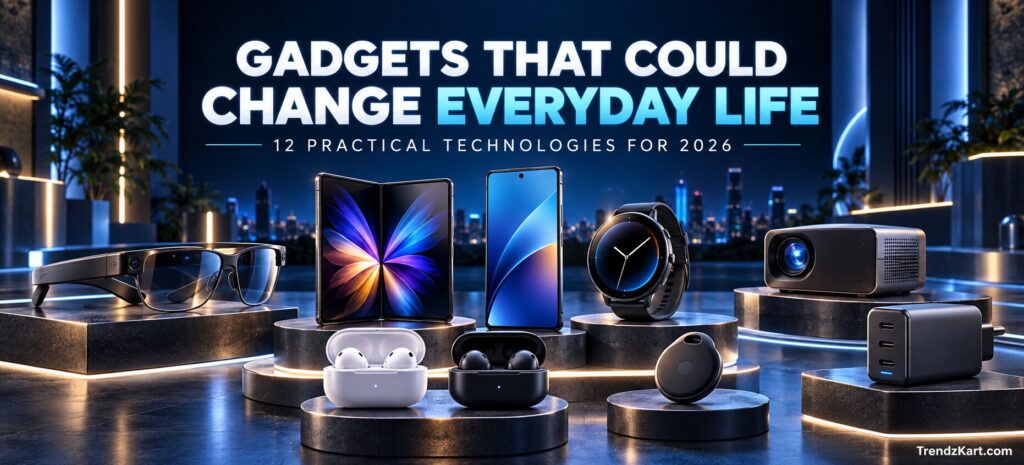
Technology in 2026 is becoming less about adding another screen to your life and more about making everyday tasks easier.
Imagine asking your glasses a question while walking through an unfamiliar city, locating misplaced keys without searching every room, or using a foldable smartphone to review documents without carrying a laptop.
These are examples of how consumer electronics are evolving beyond traditional smartphones and computers.
However, innovation does not always mean better value. Some gadgets offer meaningful improvements to everyday routines, while others introduce additional costs, privacy considerations, compatibility requirements or features that many buyers may rarely use.
This guide explores 12 notable devices and gadget categories shaping 2026, including recently announced products and established technologies that remain relevant to modern buyers.
Rather than ranking them by popularity or advertising claims, we examine what they do, who may benefit, what limitations to consider and what to check before purchasing.
Editorial note: This article is based on publicly available manufacturer information and general product research. It is not a hands-on testing review. Availability, pricing and individual features may vary by country, software version and retailer.
1. Ray-Ban Meta Gen 3: AI Glasses for Hands-Free Everyday Tasks

Smart glasses are becoming one of the most interesting alternatives to constantly checking a smartphone.
The Ray-Ban Meta Gen 3, introduced in September 2026, combines familiar eyewear styling with a camera, microphones, speakers and AI-powered assistance.
Meta describes improvements including a slimmer design, customizable action button, 12 MP camera and 3K video recording. The company advertises up to nine hours of battery life under its specified conditions.
How Could You Use Them?
Imagine exploring a historic city while keeping your phone in your pocket. Smart glasses can help capture moments from your point of view, support voice interactions and handle compatible hands-free tasks.
They may also be useful for people who frequently make calls while moving between locations.
Benefits
Hands-free photography and voice interaction reduce the need to hold a phone for every task. The familiar glasses design may also be more convenient than wearing a bulky headset.
Limitations
Camera-equipped eyewear raises privacy concerns. Battery life, fit, prescription compatibility and the availability of AI functions also deserve attention.
Best suited for: Travelers, technology enthusiasts and people who value hands-free interaction.
Buying advice: Try the frame fit where possible, verify local AI feature availability and consider whether you genuinely need a wearable camera.
Official source: Meta’s Ray-Ban Meta Gen 3 announcement
2. Ray-Ban Meta Audio: Smart Glasses Without a Camera

Not everyone wants a camera attached to their eyewear.
Ray-Ban Meta Audio, announced in September 2026, approaches the smart glasses category differently by focusing on audio and AI interaction without a camera.
The announced design weighs as little as 43 grams, depending on the configuration, and is intended to provide hands-free listening, calling and assistant access.
Why Is This Interesting?
A person who spends much of the day listening to podcasts, taking calls or navigating a busy schedule may appreciate an audio device that does not sit inside the ear.
The camera-free design also removes one significant concern associated with camera-enabled smart glasses.
Benefits
A lightweight design, open-ear listening and voice access may offer a practical alternative to conventional earbuds for certain situations.
Limitations
Audio leakage, environmental noise, comfort and battery life remain important considerations. Buyers should also verify regional availability and final product specifications.
Best suited for: Commuters, professionals and people interested in wearable audio.
Buying advice: Compare the experience with open-ear earbuds before deciding whether smart glasses justify the additional cost.
Official source: EssilorLuxottica and Meta’s product announcement
3. Samsung and Google Intelligent Eyewear: AI Beyond the Smartphone

Samsung and Google have also been expanding the idea of intelligent eyewear.
Their 2026 announcements describe eyewear developed with fashion partners Gentle Monster and Warby Parker, integrating Android XR and Gemini-powered assistance.
The goal is to make digital help accessible through natural interactions rather than requiring users to open an app for every question.
Real-Life Example
A traveler might want contextual information while exploring a destination. A professional might benefit from compatible hands-free assistance during everyday tasks.
The attraction is not simply having AI available. It is being able to access useful information while remaining engaged with the surrounding environment.
Benefits
Potential advantages include hands-free assistance, smartphone integration and designs intended to resemble everyday eyewear.
Limitations
Buyers should check the actual shipping model, supported languages, country availability, prescription options and the extent of compatible applications.
Best suited for: Android ecosystem users and early adopters interested in wearable AI.
Buying advice: Do not purchase based on demonstrations alone. Confirm the features available in the exact retail version.
Official source: Samsung’s intelligent eyewear announcement
4. Google Pixel 11 Series: Smartphones Built Around More Helpful AI
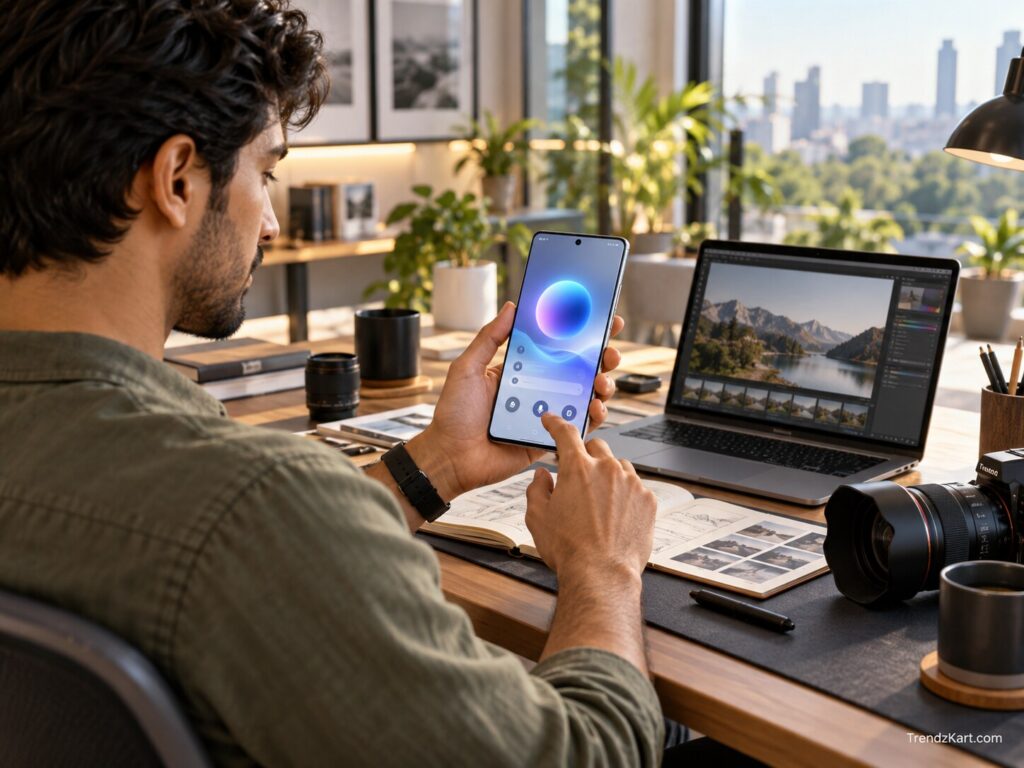
Smartphones remain central to everyday technology, but their capabilities increasingly extend beyond calling, messaging and photography.
Google introduced its Pixel 11 family in August 2026, emphasizing AI-powered experiences across the Pixel ecosystem.
The important question for buyers is not whether a phone includes AI, but whether its features genuinely improve tasks they perform regularly.
Everyday Uses
AI-assisted photography may help people capture and edit images. Integrated assistance may simplify certain information and productivity tasks.
However, the usefulness of these features depends on personal habits, language support, network access and individual privacy preferences.
Benefits
The Pixel ecosystem combines Google’s software services with purpose-built hardware.
Limitations
AI features can vary by model, location and software release. Buyers should also compare camera performance, battery endurance, storage and long-term support independently of AI marketing.
Best suited for: People who use Google services extensively and value software-driven smartphone features.
Buying advice: Compare the standard and premium configurations against your actual requirements instead of assuming the most expensive version is necessary.
Official source: Made by Google 2026
5. Google Pixel 11 Pro Fold: A Phone That Opens Into a Larger Workspace

Foldable smartphones offer a different approach to portable productivity.
The Pixel 11 Pro Fold, announced as part of Google’s 2026 device lineup, represents the company’s continuing investment in foldable hardware.
The central attraction is the ability to carry a conventional phone-sized device that opens into a larger display.
Why Might Someone Want It?
Imagine reviewing a detailed document, comparing information across compatible applications or reading a digital magazine while traveling.
A larger folding display can make these activities more comfortable without requiring a separate tablet.
Benefits
A foldable design offers flexibility between compact portability and a larger viewing area.
Limitations
Foldable devices introduce additional considerations involving hinges, screen protection, repair costs, thickness and application optimization.
Best suited for: Mobile professionals, frequent travelers and people who regularly use a larger screen.
Buying advice: Inspect the hinge feel, screen crease, warranty coverage and repair arrangements before committing to an expensive foldable device.
Official source: Google’s Pixel 2026 announcements
6. Google Pixel Watch 5: A Wearable for Everyday Health and Connectivity
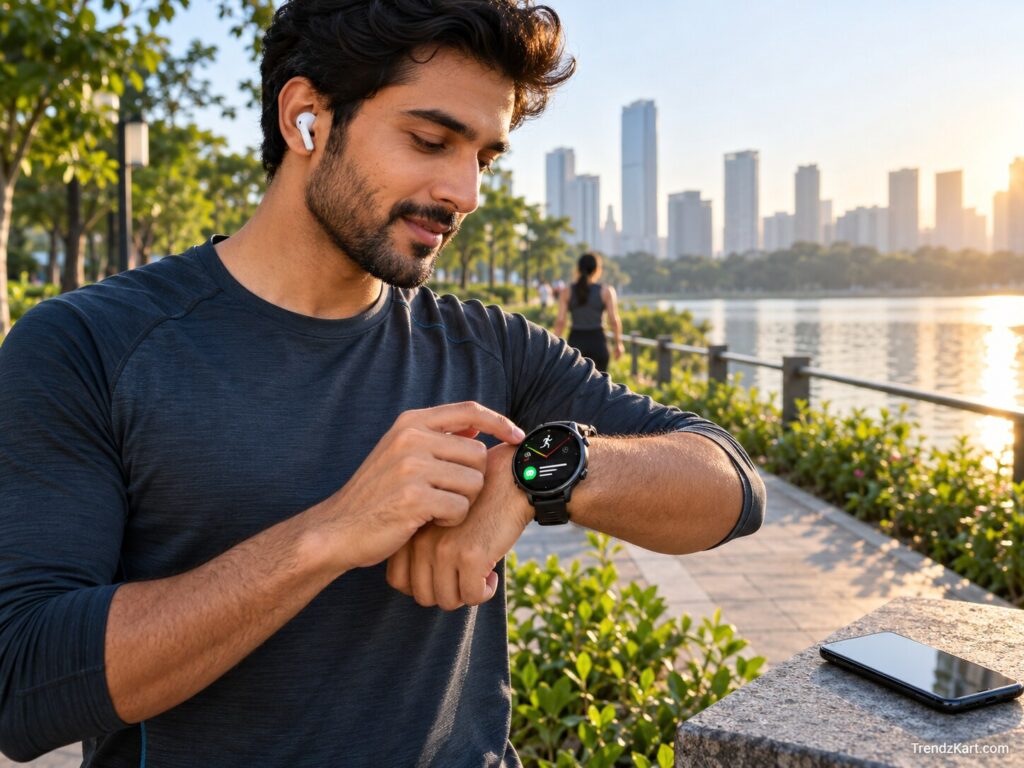
Smartwatches are evolving from notification displays into devices that can support activity tracking, communication and broader personal wellness routines.
Google announced the Pixel Watch 5 in August 2026.
For many people, the main value of a smartwatch is not one headline feature but the convenience of checking useful information without reaching for a phone.
Practical Uses
A smartwatch may help users monitor activity, review compatible notifications, manage certain daily routines and access supported safety features.
Its usefulness depends heavily on the phone it connects to and the services available in the user’s region.
Benefits
Wearable access to activity information and communication features can make certain everyday interactions more convenient.
Limitations
Battery charging, subscription requirements, phone compatibility and sensor accuracy should be considered.
Health-related measurements are not automatically equivalent to medical diagnoses.
Best suited for: People who value activity tracking, smartwatch notifications and connected services.
Buying advice: Check compatibility, battery expectations and which features require additional services.
Official source: Google’s Pixel Watch 5 announcement collection
7. Google Pixel Tag: A Small Tracker for Easily Misplaced Items

Not every useful gadget needs a large display or powerful processor.
Google announced Pixel Tag in 2026 as part of its Pixel device ecosystem.
Item trackers address a familiar problem: losing track of keys, bags and other everyday belongings.
Real-Life Example
Imagine preparing to leave for the airport and realizing your keys are missing.
A compatible item tracker may help locate the tagged item through its supported finding network and connected device.
For travelers, such devices can provide additional convenience when organizing luggage and personal belongings.
Benefits
Small size, simple everyday use and integration with compatible devices make item trackers appealing.
Limitations
Tracking accuracy, network coverage, battery replacement and platform compatibility vary. A tracker is not a guarantee against theft or lost luggage.
Best suited for: Travelers, commuters and people who frequently misplace small items.
Buying advice: Check whether the tracker supports your phone and understand the limitations of its finding network.
Official source: Google’s 2026 Pixel device lineup
8. Google Pixel Buds Pro 2: Premium Wireless Earbuds for Daily Listening

Wireless earbuds have become everyday essentials for many smartphone users.
Google highlighted updates to Pixel Buds Pro 2 during its August 2026 announcements.
Premium earbuds typically compete on more than sound quality. Fit, noise control, microphone performance, battery endurance and device integration all affect the experience.
Why Do These Features Matter?
Someone who works in a shared office may value active noise cancellation.
A frequent caller may prioritize microphone clarity.
A traveler may care most about comfort and charging-case endurance.
These priorities can lead different buyers toward different products, even within the same price range.
Benefits
Compact wireless listening and integration with compatible devices make premium earbuds convenient for work and leisure.
Limitations
In-ear comfort varies, batteries age over time and advertised noise cancellation may perform differently across environments.
Best suited for: Frequent callers, commuters and users of compatible Google devices.
Buying advice: Focus on comfort, microphone testing and realistic battery performance rather than promotional sound-quality claims alone.
Official source: Made by Google 2026
9. Google Pixel Buds 2a: An Alternative to Premium Earbud Pricing

Not everyone needs the most expensive earbuds available.
Google’s Pixel Buds 2a remain part of its 2026 Pixel accessory lineup, with additional colour options highlighted alongside newer devices.
The practical appeal of mid-range earbuds is straightforward: they can provide useful everyday functionality without requiring buyers to pay for every premium feature.
Real-Life Example
A student who listens to online lectures and occasionally makes calls may have different requirements from a frequent international traveler.
For the student, comfort, dependable connectivity and clear speech may be more important than advanced audio customization.
Benefits
A less premium-focused product can be a sensible choice when essential functionality matters more than additional features.
Limitations
Buyers should compare the exact feature list rather than assuming that similarly named earbuds offer identical capabilities.
Best suited for: Students, casual listeners and value-conscious shoppers.
Buying advice: Compare the total price difference against features you will actually use.
Official source: Google Pixel 10a and Pixel Buds 2a announcement
10. Google Pixel 10a: An AI Smartphone With a Long Software Support Promise
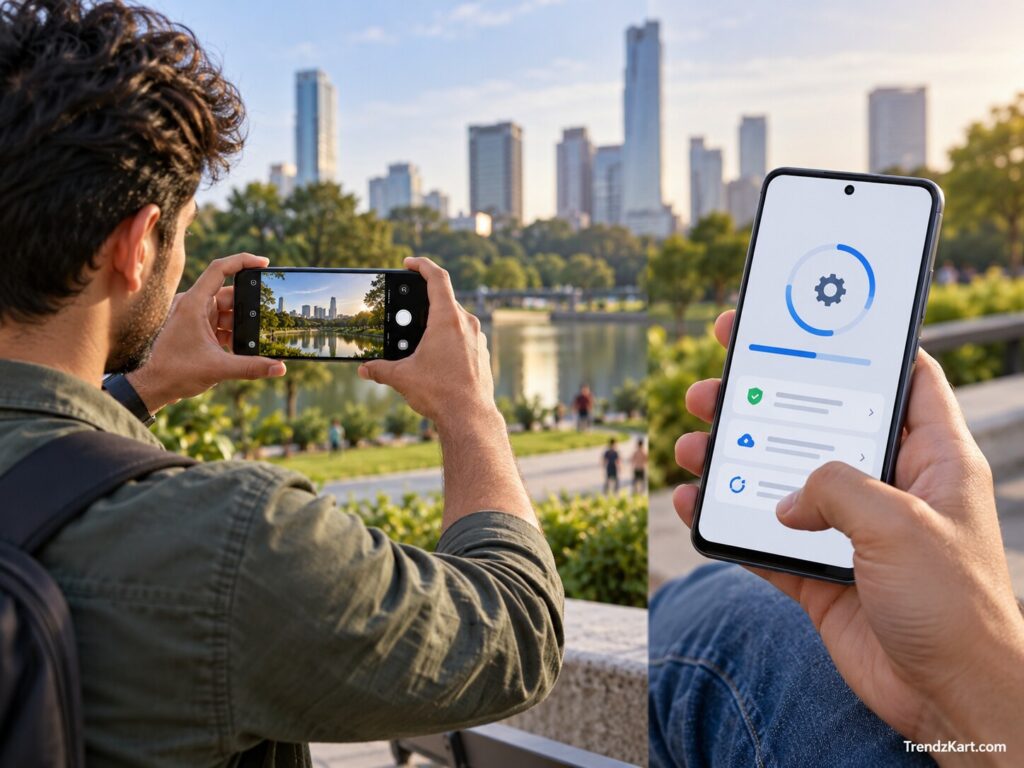
One of the most useful developments in electronics is the availability of advanced software features in less expensive devices.
Google introduced the Pixel 10a in February 2026 with a US launch price of $499.
Its announced specifications include a 6.3-inch display, Tensor G4 processor, 48 MP main camera, 13 MP ultrawide camera and seven years of eligible operating system and security updates.
Google also highlights AI-supported photography and assistance.
Why Is This Important?
A phone with long software support may remain useful for years, provided its battery, performance and physical condition continue to meet the owner’s needs.
For buyers who replace phones less frequently, support duration can be more important than a small improvement in benchmark scores.
Benefits
Long-term software support, Google ecosystem integration and a practical smartphone feature set.
Limitations
Battery life varies by use, camera performance should be judged through independent samples and certain software features may be region-specific.
Best suited for: Buyers who want an everyday Android phone without automatically choosing a flagship model.
Buying advice: Compare the Pixel 10a with current alternatives, considering actual local pricing and remaining software support.
Official source: Google Pixel 10a official announcement
11. Compact Portable Projectors: A Flexible Alternative to a Second Screen

Gadget category — not a claim about a specific 2026 product launch.
Portable projectors continue to attract interest from people who want a flexible viewing experience without installing a large television.
Modern compact models can be useful for movie nights, temporary viewing setups and presentations.
However, projector advertisements often highlight brightness or resolution without clearly explaining the conditions under which those figures apply.
Real-Life Example
Someone living in a small apartment may prefer projecting a movie onto a suitable wall or screen occasionally rather than dedicating permanent space to another television.
Benefits
Flexible placement, potentially large projected images and portability.
Limitations
Ambient light can significantly reduce image visibility. Fan noise, focus quality, speaker performance, input lag and projection distance also matter.
Best suited for: Casual movie watchers and people needing a portable display.
Buying advice: Compare standardized brightness specifications, native resolution, throw distance and actual image quality. Do not rely solely on advertised maximum screen size.
12. GaN USB-C Chargers: Smaller Accessories With Practical Everyday Value
Gadget category — not a claim about a specific 2026 product launch.
Some of the most useful electronics improvements are found in accessories.
Gallium nitride, commonly called GaN, is used in certain power electronics and can help manufacturers create compact, efficient charging designs.
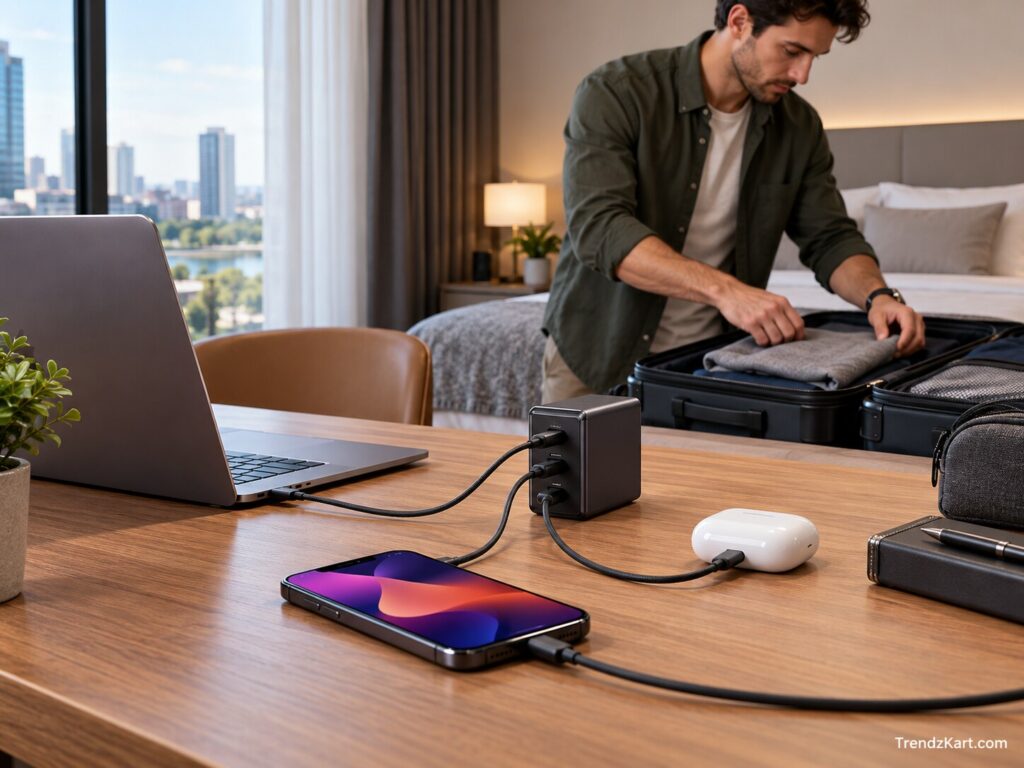
Multiport USB-C chargers are particularly useful for people carrying laptops, smartphones and other compatible devices.
Real-Life Example
A traveler carrying a laptop, phone and wireless earbuds may prefer one suitably rated multiport charger over several separate adapters.
However, a charger advertised as 100W may distribute that power across connected ports rather than delivering the full amount to every device simultaneously.
Benefits
Compact design, fewer adapters and convenient charging for compatible devices.
Limitations
Charging speed depends on supported protocols, cable ratings, device requirements and how power is shared between ports.
Best suited for: Travelers, remote workers and people with several USB-C devices.
Buying advice: Check USB Power Delivery support, port-by-port output ratings, electrical safety certifications and compatibility with your laptop.
Quick Comparison: Which Gadget Is Right for You?
| Gadget | Main attraction | Important buying consideration |
|---|---|---|
| Ray-Ban Meta Gen 3 | Hands-free camera and AI | Privacy and fit |
| Ray-Ban Meta Audio | Camera-free wearable audio | Availability and comfort |
| Samsung intelligent eyewear | Android XR assistance | Supported features and regions |
| Pixel 11 series | Smartphone AI features | Model-specific value |
| Pixel 11 Pro Fold | Larger foldable display | Durability and repair cost |
| Pixel Watch 5 | Wearable convenience | Compatibility and battery |
| Pixel Tag | Finding misplaced items | Network and phone support |
| Pixel Buds Pro 2 | Premium wireless listening | Fit and microphone quality |
| Pixel Buds 2a | Everyday wireless audio | Feature differences |
| Pixel 10a | Practical phone with long support | Local price and performance |
| Portable projectors | Flexible large-screen viewing | Brightness and image quality |
| GaN USB-C chargers | Convenient multi-device charging | Power sharing and safety |
Five Questions to Ask Before Buying a New Gadget
Will this solve a problem I actually have? A product may be innovative without being useful to your particular routine.
Will it work with my existing devices? Check operating system requirements, wireless protocols, charging standards and supported applications.
What will it cost over three years? Include accessories, subscriptions, repairs and possible battery replacement.
What happens when software support ends? Connected devices can lose important functionality or security protection when updates are discontinued.
Can I return or repair it? Read warranty terms, seller policies and local service options before purchasing.
Frequently Asked Questions
Which gadgets are among the most interesting in 2026?
AI-enabled smart glasses, foldable smartphones, wearable devices, item trackers and improved charging accessories are notable areas of consumer technology in 2026.
Are AI smart glasses worth buying?
They may be useful for people who frequently use hands-free calling, audio or compatible AI assistance. Buyers should weigh their cost against privacy, comfort and real-world functionality.
Should I buy a foldable smartphone or a regular phone?
A foldable may suit someone who regularly benefits from a larger screen. A conventional smartphone may be more practical for buyers prioritizing simplicity, price and straightforward repairs.
Are expensive wireless earbuds always better?
No. Fit, microphone performance, compatibility and personal listening preferences can matter more than price.
Is a portable projector better than a television?
It depends on lighting, viewing habits and available space. Televisions are often more convenient for bright rooms, while projectors can provide a flexible large-screen experience.
Can one GaN charger power a laptop and phone?
Some multiport chargers can, provided their total and per-port power ratings match the connected devices’ requirements.
Are all these gadgets available worldwide?
No. Availability varies by country. Some announced products may have limited releases, and particular AI or connected features may not work in every market.
Final Thoughts: The Best Gadget Is the One You Will Actually Use
The most exciting technology in 2026 is not necessarily the most expensive.
Smart glasses demonstrate how AI may become more accessible without constantly looking at a phone. Foldable smartphones explore new ways to balance portability and screen space. Item trackers solve simple everyday problems, while compact charging accessories can make travel and work more convenient.
But every innovation comes with trade-offs.
Before purchasing, consider whether the gadget fits your lifestyle, works with your existing devices and provides enough long-term value to justify its cost.
At TrendzKart, we believe good buying decisions begin with useful information rather than unnecessary hype.
Explore more practical electronics and gadget guides at TrendzKart.com.
Disclosure: This article is intended for informational purposes. Product features are based on publicly available information and have not been independently tested by TrendzKart. Product availability, specifications and prices may change. Any future affiliate links should be clearly disclosed in accordance with the applicable affiliate program rules.